
Embolisation for Brain Conditions in Delhi
Embolisation for brain conditions in Delhi is a minimally invasive, catheter-based treatment that blocks abnormal or excess blood flow in the brain’s vessels. It is used for brain AVMs, aneurysms, dural arteriovenous fistulas (DAVFs), vascular tumours and chronic subdural haematoma.
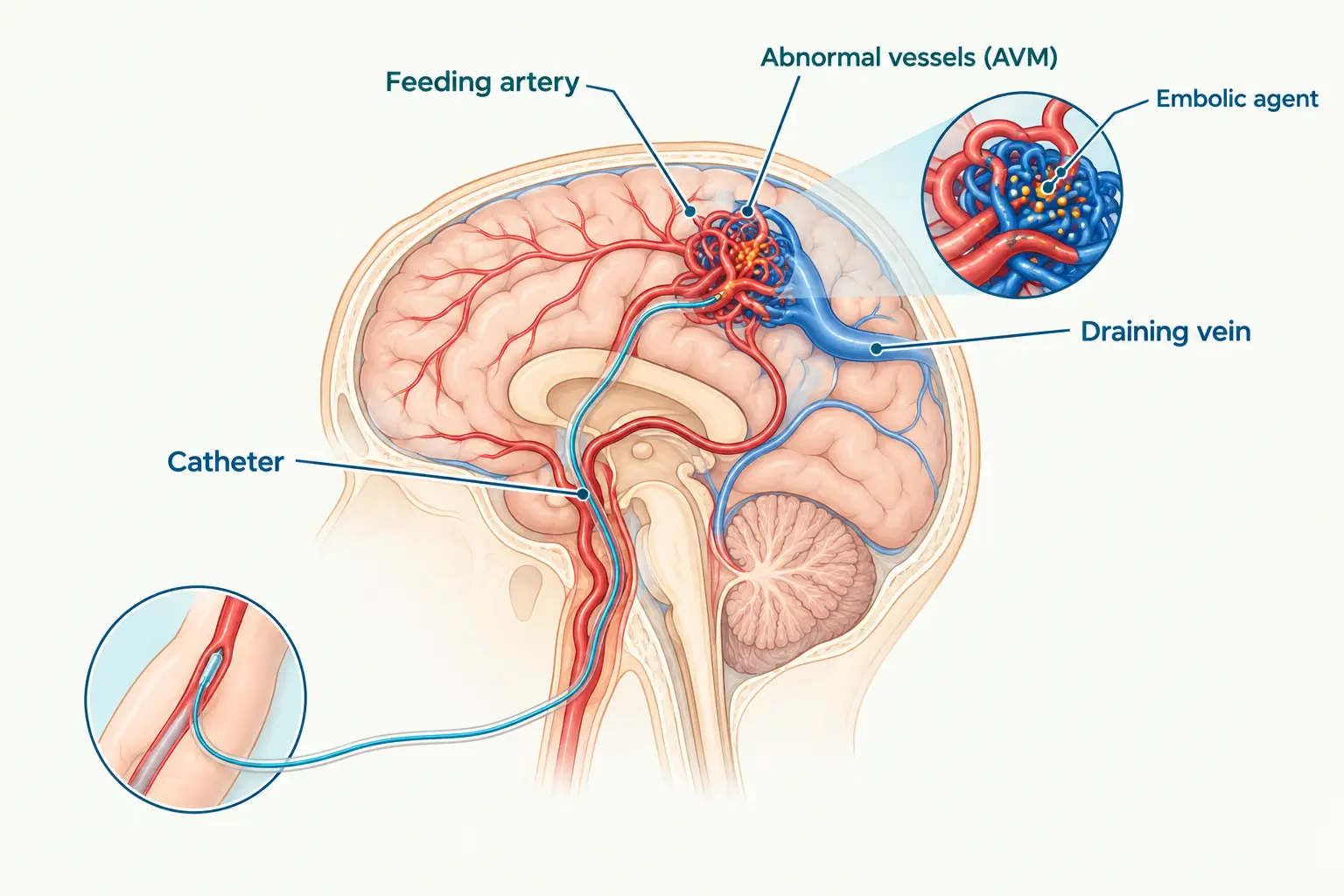
Dr. Vikas Gupta, Senior Consultant Neurosurgeon and Neurointerventional Specialist at Kailash Deepak Hospital, Karkardooma, performs it through a small puncture in the wrist or groin, with no skull opening.
Reach Out for Expert Care
What Is Brain Embolisation and How Does It Work?
Brain embolisation closes a blood vessel by delivering coils, liquid embolic agents or particles through a catheter, which lowers bleeding risk or cuts blood supply to an abnormal area.
- Selective closure: the agent is placed only in vessels feeding the problem area.
- Clot formation: coils and particles trigger clotting, so the vessel gradually seals.
- Live guidance: X-ray angiography tracks the catheter throughout.
- Purpose: prevent bleeding, relieve pressure, or prepare for surgery or radiosurgery.
In short, embolisation treats the blood supply, not the surrounding brain tissue; the role of neurointervention is explained in our blog.
Which Brain Conditions Can Embolisation Treat?
Embolisation can treat brain AVMs, aneurysms, DAVFs, vascular brain tumours and chronic subdural haematoma, depending on what angiography shows.
- Brain AVM: feeding vessels are closed, often before surgery or Gamma Knife so removal is safer. See endovascular treatment for brain AVMs.
- Brain aneurysm: coils fill the weak bulge to prevent rupture, as described under endovascular coiling.
- DAVF: abnormal artery-to-vein connections in the brain’s covering are closed.
- Vascular tumours: pre-operative tumour embolisation reduces blood loss during removal.
- Chronic subdural haematoma: middle meningeal artery embolisation blocks the artery feeding the clot’s membrane to reduce recurrence.
- Vein of Galen malformation: embolisation is a main treatment option.
Suitability depends on vessel anatomy, lesion size and symptoms.
How Is Brain Embolisation in Delhi Done? Step-by-Step
Brain embolisation is done in four stages: assessment and imaging, catheter access, embolic agent delivery, and monitored recovery.
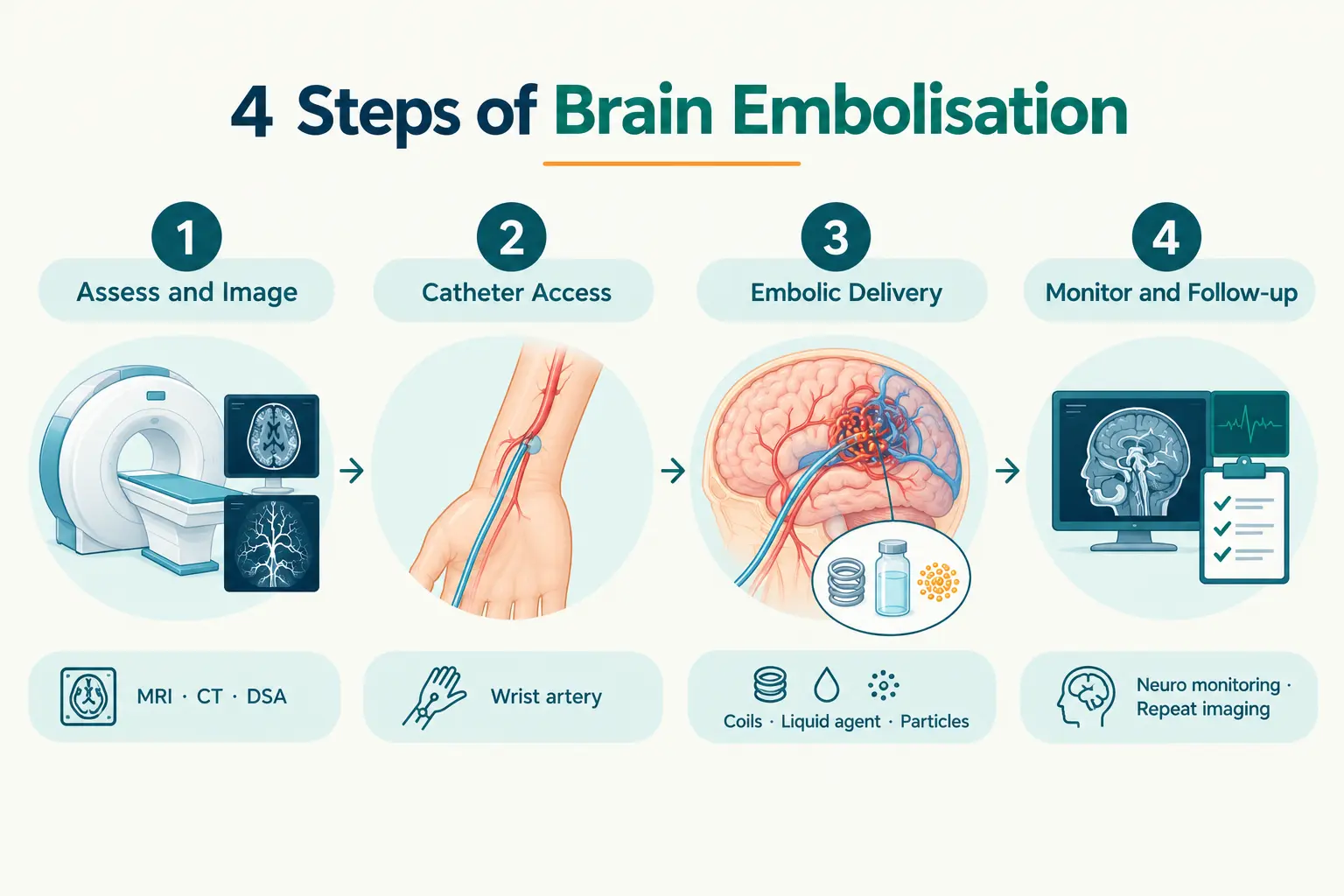
- Before: neurological review, MRI or CT, and digital subtraction angiography (DSA) to map the vessels.
- During: usually general anaesthesia, with sedation in selected cases; a catheter is guided from the wrist or groin to the target vessel, the agent is delivered, and a final angiogram confirms closure.
- After: neurological monitoring, then a short hospital stay.
Duration and stay vary with the condition and the number of vessels treated.
What Materials Are Used in Brain Embolisation?
Brain embolisation uses coils, liquid embolic agents and tiny particles, chosen by vessel size and the condition being treated.
- Coils: soft metal coils fill aneurysms and large vessels, promoting clotting.
- Liquid embolic agents: glue-like polymers penetrate AVM vessels and set solid.
- Particles: microscopic particles block small vessels, as in tumour or MMA embolisation.
- Supporting devices: stents or balloons may help keep coils in place in wide-necked aneurysms.
The choice is planned on imaging and confirmed during live angiography.
Benefits and Risks of Brain Embolisation
Embolisation avoids a skull opening and often shortens recovery, but it carries risks such as bleeding, stroke and incomplete closure.
- Benefits: no craniotomy, a puncture-sized access site, and the option to combine with craniotomy surgery or radiosurgery in staged care.
- Risks: bleeding, vessel injury, stroke from a clot, and access-site problems.
- Incomplete closure may need repeat embolisation or another treatment.
Individual risk depends on lesion size, location and vessel anatomy, and is reviewed before consent.
Recovery After Brain Embolisation
Most patients stay a few days in hospital and rest for about a week before returning gradually to normal activity, though recovery depends on the condition treated and any earlier bleeding.
- Avoid heavy lifting and strain while the access site heals.
- Take prescribed medicines, including blood pressure or anti-seizure drugs where advised.
- Follow-up imaging checks that the vessels stay closed.
- Physiotherapy or speech therapy helps if weakness or speech difficulty is present.
Recovery is gradual and tracked with scheduled review visits.
Cost of Embolisation for Brain Conditions in Delhi
The cost of embolisation for brain conditions in Delhi typically starts from ₹1,50,000 and goes way beyond depnending on the condition and technique. Key factors:
- Condition treated and lesion complexity
- Embolic material, coils and catheters used
- Number of vessels or staged sessions
- Imaging, including DSA, MRI and CT
- Room or ICU stay and follow-up imaging
Staged AVM and aneurysm costs are explained on the Brain AVM treatment cost and brain aneurysm treatment cost pages.
Who Performs Brain Embolisation in Delhi? Credentials and Care Setting
Brain embolisation at Kailash Deepak Hospital, Karkardooma, is performed by Dr. Vikas Gupta, a Senior Consultant Neurosurgeon and Neurointerventional Specialist with over 30 years of experience.
- Dual skill set: microsurgery and endovascular techniques are both available, so embolisation, surgery or radiosurgery is chosen on imaging findings.
- Experience: 30+ years in neurosurgery and 5,000+ surgeries.
- Conditions covered: AVMs, aneurysms, DAVFs, vascular tumours and subdural haematoma.
- Setting: Kailash Deepak Hospital, Karkardooma, Anand Vihar, serving East Delhi and Delhi NCR.
Qualifications are listed on the About Doctor page.
Brain Embolisation in Delhi: Evaluation, Tests and Treatment Planning
A brain embolisation evaluation in Delhi reviews symptoms and existing scans, confirms the diagnosis with angiography, and matches the lesion to the safest treatment.
- Reports reviewed: MRI, CT, CT or MR angiography and DSA.
- History covered: symptoms, earlier bleeding, seizures and blood-thinning medicines.
- Options weighed: embolisation alone, embolisation with surgery or Gamma Knife, or monitoring.
- Discussed: risks, recovery time and cost estimate.
- Emergency signs: sudden severe headache, seizure, weakness or loss of consciousness need immediate hospital care (see brain haemorrhage treatment).
Frequently Asked Questions
Is brain embolisation safe? expand_more
Brain embolisation is widely used and generally considered safe when the lesion is suitable, but it carries risks such as bleeding, stroke and incomplete closure. Careful imaging and planning lower these risks.
How long does brain embolisation take? expand_more
It takes from about an hour to several hours, depending on the condition and the number of vessels treated.
Can embolisation cure a brain AVM? expand_more
Embolisation can sometimes close small AVMs completely, but larger ones usually need it combined with surgery or radiosurgery, and follow-up imaging confirms the result.
Is embolisation better than open brain surgery? expand_more
Neither is better for every patient. Embolisation suits lesions reachable through vessels; surgery suits others. Imaging, lesion grade and location decide the choice.
Is brain embolisation covered by health insurance in India? expand_more
Many policies cover medically necessary inpatient procedures such as embolisation, subject to policy terms and pre-authorisation. Checking the policy with the insurer before admission avoids surprises.

Dr. Vikas Gupta’s Medical Content Team
Dr. Vikas Gupta’s medical content team specialises in creating accurate, clear, and patient-focused healthcare content. With strong clinical understanding and expertise in technical writing and SEO, the team translates complex medical information into reliable, accessible resources that support informed decisions and uphold Dr. Gupta’s commitment to quality care.
This content is reviewed by Dr. Vikas Gupta
Related Blogs
Combined Burr Hole and MMA Embolisation for Acute on Chronic Subdural Haematoma
A Fall 10 Days Ago. Then the Weakness Started. Then the Drowsiness. He Was 69.…
Read Article →
Right MMA Embolisation for Acute on Chronic Subdural Haematoma with Midline Shift
He Woke Up With a Headache. By Evening, He Wouldn’t Stay Awake. There Was Blood…
Read Article →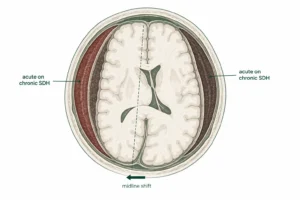
Bilateral Subdural Haematoma Treatment Without Open Brain Surgery
Headache. Confusion. Weakness. He Was 80, and Blood Was Pressing on Both Sides of His…
Read Article →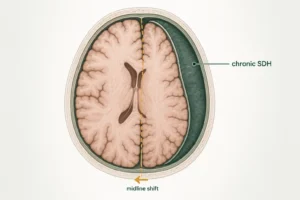
Middle Meningeal Artery Embolisation for Chronic Subdural Haematoma
His Family Thought It Was Dementia. It Was a Bleed on the Brain, and It…
Read Article →
Role of Neuro Intervention in Neurological Care
In healthcare, neuro-interventional neurosurgery or neurointervention is one of the youngest subspecialties of neuroscience. This…
Read Article →
 WhatsApp