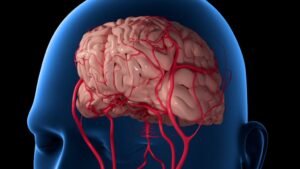
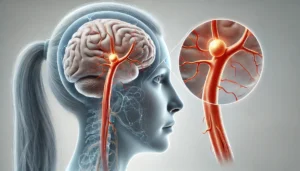
Brain aneurysm, also known as cerebral aneurysm or an intracranial aneurysm, is a weakened area in the wall of a blood vessel in the brain that bulges outward like a balloon. While many brain aneurysms remain small and never cause any issues, some may grow or rupture, which could lead to life-threatening bleeding in the brain. Catching it early and getting the right brain aneurysm treatment in Delhi at the right time makes a real difference in preventing complications and improving long-term outcomes.
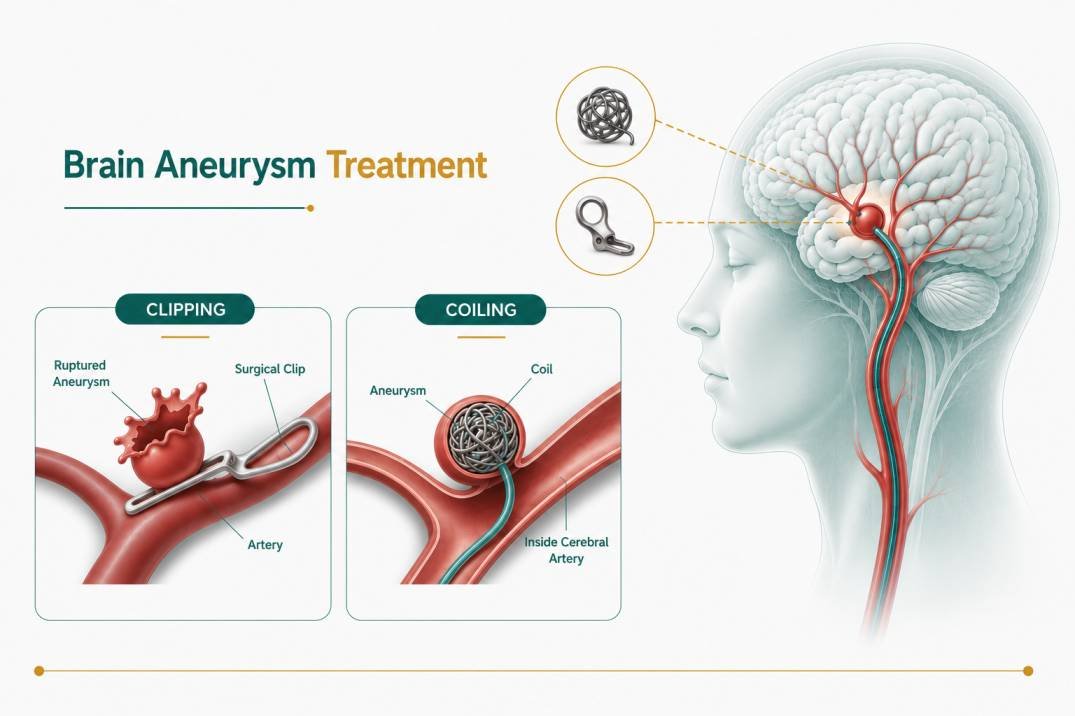
With over 30 years of neurosurgical experience, Dr. Vikas Gupta, Senior Consultant Neurosurgeon and Neurointerventional Specialist at Kailash Deepak Hospital, Delhi, provides advanced and personalised Brain aneurysm treatment in Delhi using surgical clipping, endovascular coiling, and other modern neurovascular techniques. Every patient undergoes a detailed evaluation to determine the safest and most effective treatment approach based on the aneurysm’s size, location, and risk of rupture.
Your health matters to us. Share your concerns through the form below, and our team will reach out promptly to guide you with personalised support and genuine compassion.
cognition_2
Specialised Expertise
person_heart
Personalised Care
support_agent
24-Hour Assistance
The exact brain aneurysm causes are not always known. Usually, it comes down to a blood vessel wall weakening over time until it starts bulging out under the pressure of blood flow. While some aneurysms are present from birth, most develop later in life due to a combination of genetic and acquired factors.
Common Brain Aneurysm Causes Include:
- Weakness in the blood vessel wall: Some people are born with weaker arteries, which makes them more prone to developing an aneurysm.
- High blood pressure: Uncontrolled hypertension puts continuous stress on blood vessel walls, increasing the risk of an aneurysm formation and brain aneurysm rupture.
- Smoking: Tobacco damages blood vessels and is one of the biggest risk factors, both for developing an aneurysm and for it rupturing.
- Family history: People with close relatives who have had a brain aneurysm are at a higher risk of developing one themselves.
- Ageing: Blood vessels lose elasticity as we age, so aneurysms are more likely to affect adults, especially past the age of 40.
- Certain inherited disorders: Rare genetic conditions like polycystic kidney disease or connective tissue disorders can increase the chances of an aneurysm formation.
- Previous head injury or infections (rare): In a few cases, trauma or infections affecting blood vessels may contribute to aneurysm development.
Understanding the Brain aneurysm types is important because it helps determine the most appropriate Brain aneurysm treatment.
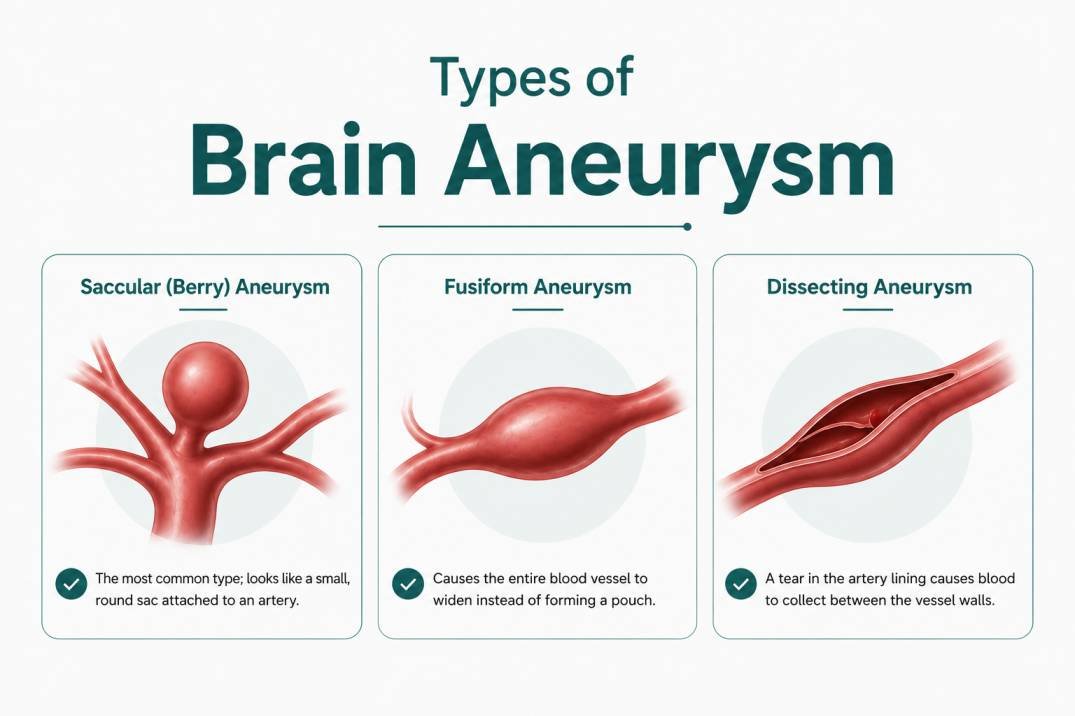
While not all brain aneurysms can be prevented, understanding the risk factors and maintaining a healthy lifestyle can still help reduce the risk of aneurysm formation and it’s rupture.
Key Risk Factors for Brain Aneurysm
- High blood pressure
- Smoking and tobacco use
- Family history of brain aneurysm
- Female gender, particularly after menopause
- Age above 40 years
- Excessive alcohol consumption
- Illegal drug use, especially cocaine
- Certain inherited disorders affecting blood vessels
- Previous brain aneurysm
Prevention Tips for Brain Aneurysm
- Control blood pressure and avoid smoking.
- Exercise regularly, maintain a healthy weight, and eat a balanced diet.
- Manage diabetes and cholesterol.
- Have regular health check-ups, especially if you have a family history of brain aneurysms.
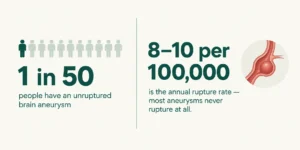
Most brain aneurysms are silent until they grow large, start pressing on nerves present nearby, or rupture. In fact, an unruptured brain aneurysm is often found by accident, during imaging done for something else. However, a brain aneurysm rupture is a medical emergency that requires immediate treatment.
| Symptoms of Unruptured Brain Aneurysm |
Symptoms of Ruptured Brain Aneurysm |
| Persistent or severe headaches |
Sudden, severe headache (described as “worst headache of my life”) |
| Pain above or behind one eye |
Nausea and vomiting |
| Blurred vision |
Stiff neck |
| Double vision |
Sensitivity to light |
| Dilated pupil or drooping eyelid |
Seizures |
| Facial numbness or weakness |
Loss of consciousness |
| Difficulty concentrating in some cases |
Confusion or difficulty speaking |
Getting immediate medical care and brain aneurysm treatment in Delhi is important to lower the risk of permanent brain damage or death.
Early brain aneurysm diagnosis is important because many aneurysms can be treated before they rupture. Which tests to get done depends on the patient’s symptoms, medical history, and the suspected size and location of the aneurysm.
- MRI Brain: Magnetic Resonance Imaging (MRI) produces detailed images of the brain and helps spot unruptured aneurysms or changes in the surrounding brain tissue.
- CT Scan: Usually the first test done in an emergency, as it can quickly detect bleeding caused by a brain aneurysm rupture.
- CT Angiography (CTA): CTA combines a CT scan with contrast dye for detailed images of the blood vessels, helping pinpoint the aneurysm accurately.
- MR Angiography (MRA): MRA visualises blood vessels without exposing the patient to radiation and is commonly used for screening and follow-up.
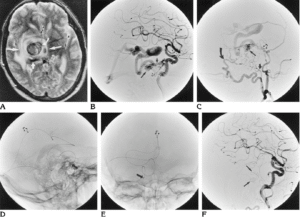
- Digital Subtraction Angiography (DSA): DSA is considered the gold standard for diagnosing brain aneurysms. It provides the most detailed vessel images and helps plan brain aneurysm surgery, brain aneurysm coiling, or in other procedures.
Finding the right brain aneurysm treatment depends on several factors which include: the aneurysm’s size, location, shape, rupture status, age of the patient, overall health and future risk of bleeding. Some aneurysms require immediate attention and treatment, and some can be safely monitored with regular follow-up.
Brain aneurysm surgery is an open surgery that permanently seals the aneurysm to prevent it from rupturing or bleeding again.
During the procedure, the surgeon makes a small opening in the skull to reach the aneurysm. A tiny titanium clip is placed at the base of the aneurysm to stop blood from entering it while allowing normal blood flow to the brain.
Brain Aneurysm Coiling
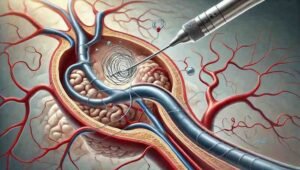
Brain aneurysm coiling is a minimally invasive procedure that blocks blood flow into the aneurysm without opening the skull.
A thin tube (catheter) is inserted through an artery in the wrist or groin and guided to the aneurysm. Tiny platinum coils are then placed inside the aneurysm, causing it to clot and reducing the risk of rupture.
Flow Diversion
Flow diversion is a minimally invasive treatment that helps the aneurysm heal by redirecting blood away from it.
A special mesh-like stent is placed inside the affected artery. It reduces blood flow into the aneurysm, allowing it to gradually shrink and seal off over time.
Brain Aneurysm Treatment Without Surgery
Not all brain aneurysms need immediate treatment. Small, unruptured aneurysms with a low risk of bleeding can often be monitored safely.
Doctors may recommend:
- Regular MRI or CT scans
- Blood pressure control
- Quitting smoking
- Healthy lifestyle changes
- Regular neurological check-ups
This approach helps monitor the aneurysm and detect any changes that may require treatment in the future.
Recovery after brain aneurysm treatment depends on the type of procedure and whether the aneurysm ruptured. Most patients recover faster after coiling than open surgery.
Brain aneurysm survival rates are highest when an aneurysm is treated before it ruptures. A ruptured aneurysm is a medical emergency and has a significantly higher risk of complications.
- Unruptured brain aneurysms generally have excellent outcomes after treatment.
- Around 10-15% of patients with a ruptured brain aneurysm die before they reach the hospital.
- Overall, 30-40% of patients with a ruptured brain aneurysm do not survive despite treatment.
- And among survivors, about 1 in 5 (20%) are left with long-term neurological disability requiring ongoing rehabilitation.
The brain aneurysm treatment cost in Delhi generally starts from around ₹1,50,000, depending on the complexity of the aneurysm and the treatment that is being performed.
Factors Affecting Brain Aneurysm Treatment Cost:
- Type of treatment
- Complexity of the aneurysm
- Hospital stay and ICU care
- Diagnostic imaging
- Follow-up care and rehabilitation
A personalised consultation is recommended to determine the most appropriate treatment plan and provide an accurate estimate of the brain aneurysm treatment cost.
Choosing an experienced neurovascular specialist is essential for achieving the best possible outcome.
Patients trust Dr. Vikas Gupta for:
- More than 30 years of neurosurgical experience
- Expertise in microsurgical clipping and endovascular procedures
- Personalised treatment planning for every patient
- Advanced neurovascular treatment techniques
- Comprehensive pre-operative evaluation and post-operative care
- Trusted neurovascular care for patients across East Delhi and Delhi NCR
A brain aneurysm can become life-threatening if left untreated. However, with early diagnosis and expert management, many aneurysms can be treated successfully before they rupture.
During your consultation, you can expect:
- Detailed medical history and symptom assessment
- Comprehensive neurological examination
- Review of MRI, CT, CTA, MRA, or DSA reports
- Discussion of personalised treatment options
- Explanation of benefits, risks, recovery, and expected outcomes
- Guidance regarding the brain aneurysm treatment cost in Delhi
Timely consultation and appropriate Brain aneurysm treatment can help reduce the risk of serious complications and improve long-term outcomes.



 WhatsApp