
Stroke treatment cost in Delhi typically ranges from ₹1.5 lakh to ₹12 lakh or more for acute inpatient care at a private multispecialty hospital. Ischemic stroke managed with intravenous thrombolysis (clot-dissolving injection) sits at the lower end. Emergency mechanical thrombectomy (endovascular clot removal) and complex hemorrhagic stroke surgery represent the higher range. Under Dr. Vikas Gupta’s care at Kailash Deepak Hospital, every patient receives a personalised written cost estimate after clinical assessment.
Reach Out for Expert Care
Introduction
Every minute after a stroke onset, the brain loses approximately 1.9 million neurons. That figure, documented in published neuroscience literature, explains why stroke is the one neurological emergency where minutes translate directly into brain tissue, function, and quality of life. For families arriving at a hospital in the middle of a crisis, financial uncertainty must never be the reason that delays a call for help.
Dr. Vikas Gupta is a Senior Consultant Neurosurgeon at Kailash Deepak Multispecialty Hospital, Karkardooma, Delhi NCR. With over 30 years of clinical experience, he is among the very few neurosurgeons in India dual-trained in both cerebrovascular surgery and interventional neuroradiology. He has performed more than 5,000 neurosurgical procedures and has treated over 10,000 patients across Delhi-NCR, with specialist expertise spanning emergency stroke intervention, mechanical thrombectomy, brain aneurysm, and neurovascular surgery.
This page gives you a transparent, evidence-based breakdown of stroke treatment costs in Delhi, what each intervention includes, what drives cost up or down, and exactly how to reach Dr. Gupta’s team today.
How Much Does Stroke Treatment Cost in Delhi?
Stroke treatment in Delhi ranges from approximately ₹1.5 lakh to ₹12 lakh for the acute inpatient episode at a private multispecialty hospital. The single biggest variable is the intervention required. Medical management with intravenous thrombolysis (the clot-busting injection given within 4.5 hours of symptom onset) sits at the lower end of this range. Emergency mechanical thrombectomy, which physically removes the clot from a brain artery using a catheter, and complex hemorrhagic stroke surgery both represent the higher end. Rehabilitation costs are additional and depend entirely on the severity of any residual disability.
Understanding the Cost Range
Think of stroke treatment cost in three phases: the acute emergency phase, the intensive care phase, and the recovery and rehabilitation phase. Each has its own cost profile.
- The acute emergency phase covers the first 6 to 24 hours: neurological assessment, brain CT and MRI scans, blood investigations, emergency medication or intervention (thrombolysis or thrombectomy), and admission to the neuro-ICU. This phase is where the most critical clinical decisions are made and where the intervention cost is highest.
- The ICU and ward phases cover the inpatient stay from day 2 until discharge. For mild ischemic strokes treated with thrombolysis, this may be 4 to 7 days. For severe strokes, hemorrhagic stroke, or post-surgical cases, it can extend to 2 to 4 weeks or longer. Peer-reviewed Indian cost data confirms that the length of hospital stay is the single strongest predictor of total stroke cost, with poor outcomes extending stays significantly.
- The rehabilitation phase includes physiotherapy, speech therapy, and occupational therapy, which may begin in the hospital and continue after discharge. Inpatient rehabilitation in Delhi typically costs ₹25,000 to ₹50,000 per week, depending on the intensity of therapy required.
What Does a Stroke Treatment Episode Include?
A standard acute stroke admission under Dr. Vikas Gupta’s care at Kailash Deepak Hospital covers every clinical step from arrival to discharge.
Emergency and Diagnostic Workup:
- Neurological and clinical assessment on arrival
- CT brain scan (non-contrast, to rule out bleeding)
- MRI brain scan (diffusion-weighted, to identify ischemic tissue)
- CT angiography or digital subtraction angiography (DSA) where indicated for vascular mapping
- Full blood panel: coagulation studies, glucose, lipids, electrolytes, cardiac enzymes
- ECG and cardiac evaluation for atrial fibrillation or embolic source
Acute Intervention (as clinically indicated):
- Intravenous thrombolysis (tPA injection for ischemic stroke within 4.5 hours of onset)
- Mechanical thrombectomy (endovascular clot removal for large vessel occlusion, effective up to 6 hours and in select patients up to 24 hours)
- Surgical craniotomy or minimally invasive evacuation for hemorrhagic stroke
- Endovascular coiling or clipping for aneurysm-related haemorrhage
- Carotid artery stenting for severe carotid stenosis is identified as the cause of stroke
Inpatient and ICU Care:
- Neuro-ICU monitoring with continuous neurological observation
- Blood pressure management, anti-oedema medications, and neuroprotective care
- Nursing care in the ICU and the step-down ward
- Daily specialist review by Dr. Gupta
Recovery and Rehabilitation Initiation:
- Initial physiotherapy assessment and early mobilisation
- Speech and language therapy assessment (where indicated)
- Dietitian review and swallowing assessment
- Discharge planning and secondary prevention counselling
- Follow-up consultation scheduling
If your clinical assessment indicates any additional procedures or specialist reviews, Dr. Gupta’s team will discuss these with you and provide a written cost breakdown before anything is added to your plan.
What Factors Affect the Cost of Stroke Treatment?
The cost of stroke treatment varies most with the type of stroke and how severe it is. Hemorrhagic stroke (bleeding in the brain) typically costs more than ischemic stroke (blocked artery) because it often requires longer ICU stays, may need surgery, and carries a higher risk of complications that extend the hospital stay.
Here are the eight factors that most influence your total cost:
1. Stroke Type
Ischemic stroke (blocked artery, approximately 80-85% of all strokes) and hemorrhagic stroke (ruptured vessel, approximately 13-15% of strokes) follow very different treatment pathways. Ischemic stroke may be treated medically with thrombolysis or via thrombectomy. Hemorrhagic stroke often requires surgical intervention, higher-intensity ICU care, and longer stays. A transient ischemic attack (TIA, or “mini-stroke”) that resolves quickly may require only imaging, investigation, and observation rather than active intervention, making its cost profile significantly lower.
2. Stroke Severity
Published research confirms that severe strokes (measured on clinical scales such as the NIHSS) cost more than twice as much as mild strokes in acute hospital care. Severity determines ICU duration, the need for ventilator support, complication management, and rehabilitation intensity. The earlier treatment begins, the better the neurological outcome and, in many cases, the lower the total cost.
3. Intervention Type
The type of intervention is the single largest line item in stroke treatment costs. Intravenous thrombolysis is the least invasive and least expensive active intervention. Mechanical thrombectomy, which uses a stent retriever or aspiration catheter to physically remove a clot from a major brain artery, involves specialised devices and requires a trained neurointerventionalist. Market cost data for private hospitals in India place mechanical thrombectomy 20-30% higher in cost than alternative endovascular approaches. Surgical evacuation of a brain haemorrhage or repair of a ruptured aneurysm involves a full neurosurgical procedure with operating theatre costs.
4. ICU Duration and Level of Care
Neuro-ICU care is the highest daily cost component of any stroke admission. Patients with mild, rapidly recovering strokes may need only 2 to 4 days of ICU monitoring. Severe strokes, haemorrhagic events, or post-operative cases may require 10 to 21 days or more of continuous intensive care.
5. Length of Ward Stay
After the ICU, ward accommodation, nursing, daily medications, and specialist reviews add to the total. A ward stay of 5 to 7 days is typical for moderate ischemic stroke. Hemorrhagic strokes conservatively managed in the ICU may require 15 to 20 days of total hospitalisation.
6. Comorbidities
Pre-existing conditions such as hypertension, diabetes, atrial fibrillation, or chronic kidney disease affect both stroke severity and the complexity of in-hospital management. Atrial fibrillation, in particular, is linked to embolic ischemic strokes that may require anticoagulation management throughout the admission.
7. Diagnostic Imaging Complexity
A standard CT scan is sufficient for initial triage. However, CT angiography, MR angiography, digital subtraction angiography (DSA), or perfusion imaging may be needed for complex cases, such as large-vessel occlusion, suspected AVM, or aneurysm-related bleeding. Each additional imaging modality adds to the diagnostic cost.
8. Post-Discharge Rehabilitation Needs
Long-term rehabilitation for speech, mobility, and cognition is not included in the cost of the acute admission but forms a significant part of the total treatment investment. The extent of post-stroke disability, which is determined largely by how quickly treatment was initiated, drives this figure.
Stroke Treatment Cost Breakdown by Type in Delhi
The table below presents indicative Delhi market ranges for each stroke treatment category.
| Treatment Type | Indicative Cost Range (Delhi Market) | Key Cost Driver |
| IV Thrombolysis (tPA) for ischemic stroke | ₹1.5 lakh – ₹3 lakh | Timely presentation within a 4.5-hour window; reduces the need for further intervention |
| Mechanical Thrombectomy (endovascular clot removal) | ₹4 lakh – ₹10 lakh | Device type (stent retriever vs. aspiration), clot complexity, ICU days |
| Hemorrhagic Stroke: Conservative ICU management | ₹1.5 lakh – ₹4 lakh | ICU duration, blood pressure medications, and monitoring intensity |
| Hemorrhagic Stroke: Surgical Craniotomy/Evacuation | ₹4 lakh – ₹10 lakh | Bleed location and volume, surgical complexity, and post-op ICU stay |
| Carotid Artery Stenting (stroke prevention) | ₹2.5 lakh – ₹6 lakh | Stent type, bilateral vs. unilateral, degree of stenosis |
| TIA: Evaluation, imaging, and in-hospital observation | ₹50,000 – ₹1.5 lakh | Imaging required, inpatient observation vs. ambulatory workup |
| Post-stroke inpatient rehabilitation (per week) | ₹25,000 – ₹50,000 | Therapy intensity, session frequency, and duration of programme |
These are indicative Delhi market ranges based on current data from private multispecialty hospitals. Your personalised written cost estimate is confirmed after clinical assessment. Costs may vary based on clinical complexity, ward category selected, and duration of stay.
Stroke Treatment Success Rate and Outcomes by Type
Getting to the right specialist within the treatment window is the most important factor in both neurological outcome and total cost. Earlier successful treatment means less brain damage, shorter ICU stays, faster recovery, and substantially lower rehabilitation costs over the following months.
The window matters: Intravenous thrombolysis is most effective within 4.5 hours of symptom onset. Mechanical thrombectomy is effective for large vessel occlusion up to 6 hours from onset and, in carefully selected patients based on imaging criteria, up to 24 hours. This is why recognising the signs of stroke (FAST: Face drooping, Arm weakness, Speech difficulty, Time to call for help) and acting immediately is both a clinical and a financial decision.
Ischemic Stroke Outcomes
Ischemic stroke, which accounts for approximately 80-85% of all strokes, responds well to timely thrombolysis and thrombectomy. Patients treated with mechanical thrombectomy for large vessel occlusion show significantly better functional outcomes compared to medical management alone. Better functional outcomes reduce long-term rehabilitation costs and caregiver burden.
For detailed information on the stroke condition, its causes, and its warning signs, see the dedicated condition page.
Hemorrhagic Stroke Outcomes
Hemorrhagic stroke (bleeding within or around the brain) is less common but typically more severe. Outcome depends on the location and volume of the bleed, the speed of surgical intervention where indicated, and the quality of post-operative neurological care. Prompt surgical evacuation of accessible bleeds can dramatically reduce secondary brain injury and improve functional recovery.
For hemorrhagic stroke linked to a brain aneurysm or AVM, endovascular coiling, surgical clipping, or embolisation may be required as part of the same admission.
TIA: The Warning That Must Not Be Ignored
A transient ischemic attack produces stroke symptoms that resolve within 24 hours. Its immediate treatment cost is lower than a full stroke. However, a TIA is a strong predictor of an imminent major stroke: the risk is highest in the first 48 hours after the event. Thorough investigation and appropriate secondary prevention during a TIA admission is, in clinical and financial terms, the most cost-effective intervention on this entire page.
Stroke Treatment Process at Dr. Vikas Gupta’s Practice, Delhi NCR
Understanding what happens at each stage helps families know exactly what they are paying for and why every step matters.
Step 1: Emergency Arrival and Triage
The moment a potential stroke patient arrives, the neurosurgery team is activated. Time from arrival to first scan should be under 30 minutes for suspected stroke cases. Dr. Gupta’s team follows internationally aligned stroke protocols to ensure this window is consistently met.
Step 2: Rapid Neuroimaging
A non-contrast CT scan is performed immediately to differentiate ischemic from hemorrhagic stroke. This is the most time-sensitive diagnostic decision in all of medicine: the treatment for one stroke type is contraindicated in the other. If the CT confirms ischemic stroke, MRI and CT angiography may follow to map the exact location of vascular blockage. For suspected hemorrhagic stroke or vascular malformation, digital subtraction angiography (DSA) may be performed in the same session as intervention.
Step 3: Stroke Type Confirmation and Team Decision
Dr. Gupta reviews imaging and clinical findings to determine the best intervention. Because he is dual-trained in both endovascular techniques and open neurosurgery, he can personally execute whichever approach the clinical picture demands.
Step 4: Acute Intervention
For ischemic stroke presenting within 4.5 hours: intravenous thrombolysis (tPA) is administered immediately. For large vessel occlusion identified on CT angiography: mechanical thrombectomy is performed in the angiography suite, removing the clot directly using a catheter-mounted stent retriever or aspiration system. For hemorrhagic stroke requiring surgical intervention: craniotomy and clot evacuation, or minimally invasive haematoma drainage where clinically appropriate.
Step 5: Neuro-ICU Monitoring
After intervention, the patient is moved to the neuro-ICU. Blood pressure, oxygen levels, neurological status, and intracranial pressure are monitored continuously. This phase is medically critical for preventing secondary brain injury from oedema, re-bleeding, or vasospasm.
Step 6: Surgical Management if Indicated
In cases of aneurysm-related subarachnoid hemorrhage or AVM rupture identified during the acute admission, endovascular coiling, surgical clipping, or embolisation may be performed as a staged procedure during the same admission or shortly after stabilisation. A written cost estimate is provided before any staged procedure is added.
Step 7: Transition to Ward
As the patient stabilises, they move from ICU to a neurosurgical ward. Daily specialist review continues. Medications are adjusted, secondary prevention is initiated (antiplatelet or anticoagulant therapy, statins, blood pressure management), and the care team begins planning for discharge.
Step 8: Rehabilitation Planning and Discharge Coordination
Before discharge, Dr. Gupta’s team coordinates a rehabilitation plan covering physiotherapy, speech therapy (if required), and occupational therapy. For patients with significant residual disability, an inpatient rehabilitation stay may be recommended. The discharge summary includes a complete record of treatment, imaging, and medications for follow-up.
Step 9: Follow-Up and Secondary Prevention
Follow-up appointments monitor neurological recovery, adjust medications, and identify and manage modifiable stroke risk factors such as hypertension, diabetes, and atrial fibrillation. Secondary prevention is where long-term cost reduction is achieved: a successfully prevented second stroke is far less expensive, and far less devastating, than treating one.
Why Choose Dr. Vikas Gupta for Stroke Treatment in Delhi?
Choosing the right specialist is a clinical decision, not just a financial one. Here is what the evidence behind Dr. Vikas Gupta’s practice actually shows:
- One of India’s Very Few Dual-Trained Neurovascular Specialists
Dr. Gupta holds training in both cerebrovascular surgery and interventional neuroradiology (FINR). Most neurosurgeons in India specialise in one or the other. The combination matters in stroke care because it means a single experienced clinician can assess the vascular anatomy, decide on the best approach, and execute either an endovascular or a surgical intervention without the delays that arise from patient handover between different specialists.
- 30+ Years of Focused Neurosurgical Experience
Over three decades of clinical practice, with a consistent focus on the most complex neurological and neurovascular conditions: aneurysms, AVMs, brain hemorrhage, skull base tumours, and emergency stroke. This depth of experience directly reduces procedural risk in high-stakes emergency cases.
- 5,000+ Neurosurgical Procedures Performed
More than 5,000 documented neurosurgical procedures across Dr. Gupta’s career. For a patient facing emergency stroke intervention, the volume of procedures a specialist has personally performed is among the strongest predictors of a successful outcome.
- 10,000+ Patients Treated Across Delhi-NCR
Over 10,000 patients treated, including those referred from across the Delhi-NCR region for complex and high-risk neurovascular cases. This breadth of clinical experience encompasses the full range of stroke presentations, from mild TIA to catastrophic subarachnoid hemorrhage.
- Internationally Aligned Clinical Standards
Dr. Gupta’s FINR training aligns his clinical protocols with the standards followed in leading neurovascular centres globally. Stroke care at Kailash Deepak Hospital is guided by evidence-based protocols consistent with international stroke management guidelines.
- Emergency Availability and Dedicated Care
Stroke is a 24/7 emergency. Dr. Gupta’s team maintains emergency consultation availability and direct access for patients and families who need urgent guidance, even before they reach the hospital.
- Transparent Cost Practices
Every patient receives a written cost estimate after clinical assessment, in line with ethical medical guidelines. There are no hidden fees. If additional procedures become necessary during your admission, the team discusses these with you and provides an updated written breakdown before proceeding.
Stroke Treatment for International Patients
Delhi has become one of Asia’s leading destinations for emergency and elective neurosurgical care.
Cost in Preferred Currency
Acute stroke treatment costs in Delhi are substantially lower than equivalent care in the United Kingdom, United States, or UAE. As a general reference:
| Procedure | Approximate Cost in Delhi | Approximate Cost in the USA | Approximate Cost in the UK |
| IV Thrombolysis (tPA) | USD 1,700 – 3,600 | USD 5,000 – 10,000 | USD 4,000 – 8,000 |
| Mechanical Thrombectomy | USD 4,800 – 12,000 | USD 30,000 – 60,000+ | USD 20,000 – 40,000+ |
| Hemorrhagic Stroke Surgery | USD 4,800 – 12,000 | USD 30,000 – 80,000+ | USD 20,000 – 50,000+ |
| Post-stroke inpatient rehab (per week) | USD 300 – 600 | USD 3,000 – 7,000 | USD 2,000 – 5,000 |
Cost comparisons are indicative. USD/GBP/AED conversions are based on current exchange rates and subject to change. International cost data sourced from published treatment pricing surveys.
Patients from the UAE, Gulf countries, or Africa travelling to Delhi for stroke follow-up, secondary prevention procedures, or carotid stenting may find their total treatment-plus-travel investment to be a fraction of the equivalent cost at home.
Home Country Insurance Reimbursement
Many international insurance policies reimburse emergency medical care received abroad. A complete medical discharge summary, itemised cost breakdown, all imaging on digital media, and a formal clinical letter on hospital letterhead is prepared and the documentation set most international insurers require for reimbursement claims. Our administrative team is available to assist you in preparing this documentation.
Medical Visa (M Visa) Support
For patients travelling to India specifically for stroke treatment or post-stroke procedures, a Medical Visa (M Visa) is required. Full support is provided for this.
Remote Pre-Travel Teleconsultation
Before travelling, international patients are strongly encouraged to share all available imaging (CT, MRI, angiography) and clinical records. A teleconsultation can confirm the treatment plan, provide a personalised written cost estimate, and ensure everything is arranged for your admission before you travel. This avoids unnecessary waiting time on arrival.
Dedicated International Patient Coordination
Every international patient is assigned a dedicated coordinator who handles appointment scheduling, pre-admission documentation, in-hospital communication (including translation support where needed), insurance paperwork, and discharge logistics.
Conclusion: Three Things to Know Before You Call
- Speed determines outcomes and outcomes determine cost. Every hour of delay in stroke treatment causes irreversible brain damage, longer ICU stays, greater rehabilitation needs, and higher total costs. The most important decision you can make right now is to call, not to wait.
- Cost in Delhi is transparent and manageable. Stroke treatment in Delhi ranges from approximately ₹1.5 lakh to ₹12 lakh depending on stroke type and intervention. Insurance, CGHS, ESIC, PM-JAY, and structured payment plans are all available pathways.
- Dual-trained expertise changes outcomes. Very few neurosurgeons in India can perform both the endovascular and open surgical components of stroke and neurovascular care.
Frequently Asked Questions
How soon after a stroke should treatment begin, and does timing affect cost? expand_more
Treatment should begin as soon as possible. Intravenous thrombolysis must be given within 4.5 hours of symptom onset. Earlier successful treatment means less brain damage, shorter ICU stays, reduced rehabilitation needs, and substantially lower total costs.
Is stroke treatment covered under health insurance in India? expand_more
Yes. Acute stroke hospitalisation is covered by most private health insurance policies in India as it qualifies as a medical emergency requiring tertiary care.
What is the cost of mechanical thrombectomy for stroke in Delhi? expand_more
Cost varies based on the type of device used (stent retriever or aspiration catheter), procedural complexity, number of attempts required for successful recanalisation, and post-procedure ICU stay duration.
How can I book an appointment with Dr. Vikas Gupta? expand_more
To book a consultation with Dr. Vikas Gupta, you can contact Neurological Hall or Kailash Deepak Hospital, Karkardooma, directly by phone or reach out via the appointment booking form on this website. The team will confirm your slot and share any preparation details ahead of your visit.
How can I book an appointment at Kailash Deepak Hospital? expand_more
Appointments at Kailash Deepak Hospital can be scheduled by calling the hospital reception or through the online booking facility on the hospital's website. For neurosurgery consultations specifically, contacting the team via this page is often the quickest route.

Dr. Vikas Gupta’s Medical Content Team
Dr. Vikas Gupta’s medical content team specialises in creating accurate, clear, and patient-focused healthcare content. With strong clinical understanding and expertise in technical writing and SEO, the team translates complex medical information into reliable, accessible resources that support informed decisions and uphold Dr. Gupta’s commitment to quality care.
This content is reviewed by Dr. Vikas Gupta
Related Cost Information

Related Articles
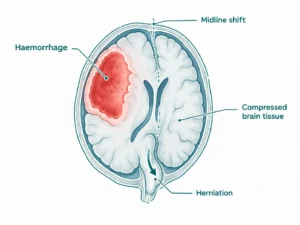
Decompressive Hemicraniectomy for Sudden Brain Haemorrhage in a Young Patient
She Was 28. No Health Issues. Then Without Warning: She Collapsed. At a Glance Patient…
Read Article →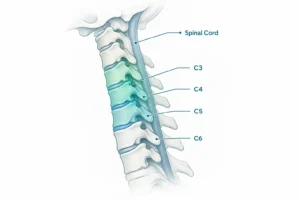
Cervical Canal Stenosis with Myelopathy
She Fell, Then Couldn’t Move Her Arms or Legs. Her Neck Was Silently Crushing Her…
Read Article → WhatsApp