
Lumbar Spine Surgery in Delhi
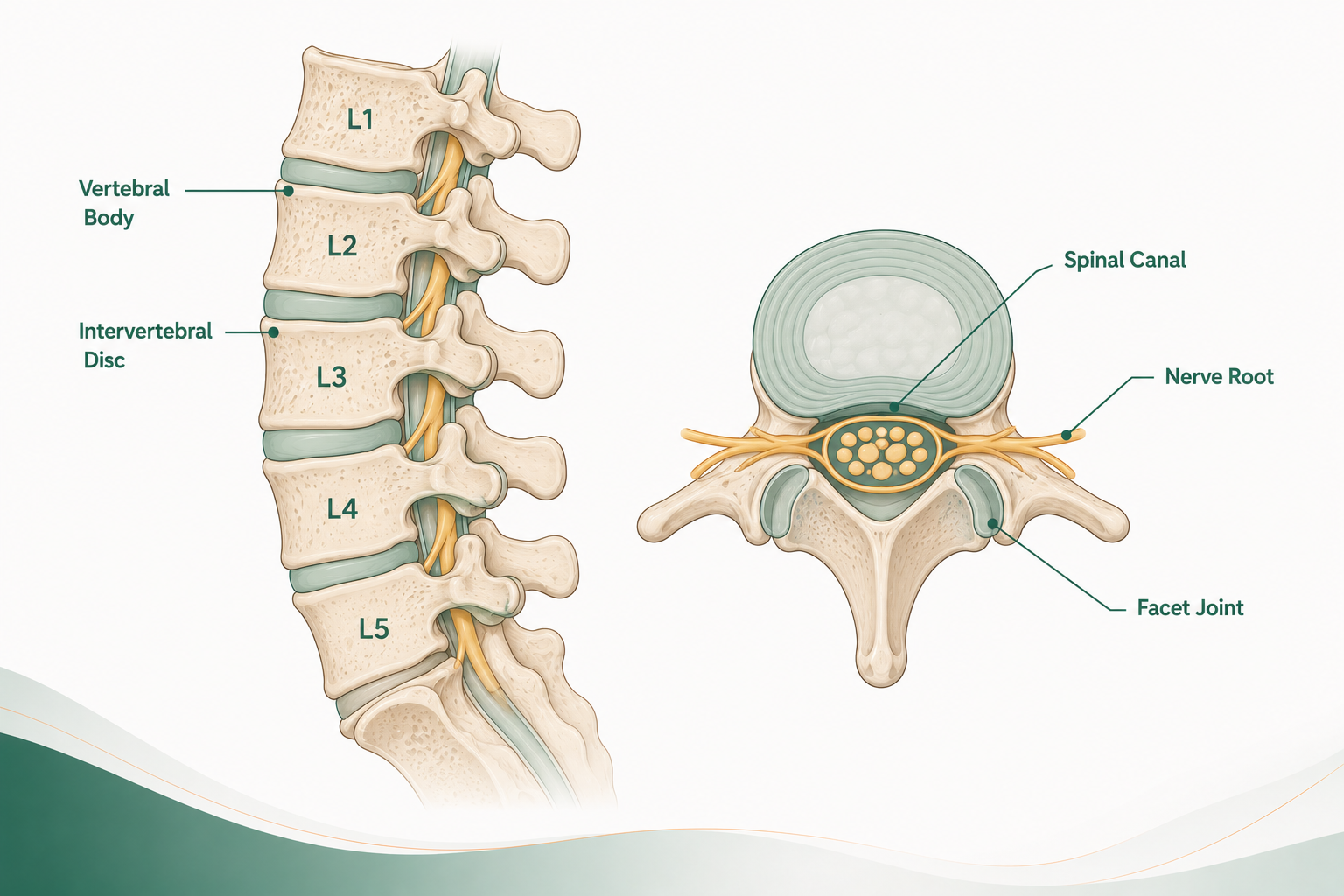
Back pain that travels down the leg, numbness in the feet, or weakness that makes standing difficult are not signs to ignore. For many patients, these symptoms point to a problem in the lumbar spine, the five vertebrae in the lower back that bear most of the body’s weight and allow the widest range of movement. Lumbar spine surgery in Delhi is now a safe, well-established option for patients who have not found relief through non-surgical treatments.
Dr. Vikas Gupta, Senior Consultant Neurosurgeon and Spine Specialist at Kailash Deepak Hospital, Karkardooma, brings over 30 years of surgical experience to the evaluation and treatment of complex lumbar spine conditions. Whether your condition requires a minimally invasive procedure or a more comprehensive surgical approach, every treatment plan is designed around your specific anatomy, symptoms, and lifestyle.
Reach Out for Expert Care
What Is Lumbar Spine Surgery?
Lumbar spine surgery refers to a range of surgical procedures performed on the lower back, specifically the lumbar region (L1 to L5 vertebrae), to relieve pain, decompress trapped nerves, stabilise the spine, or correct structural problems that are causing neurological symptoms.
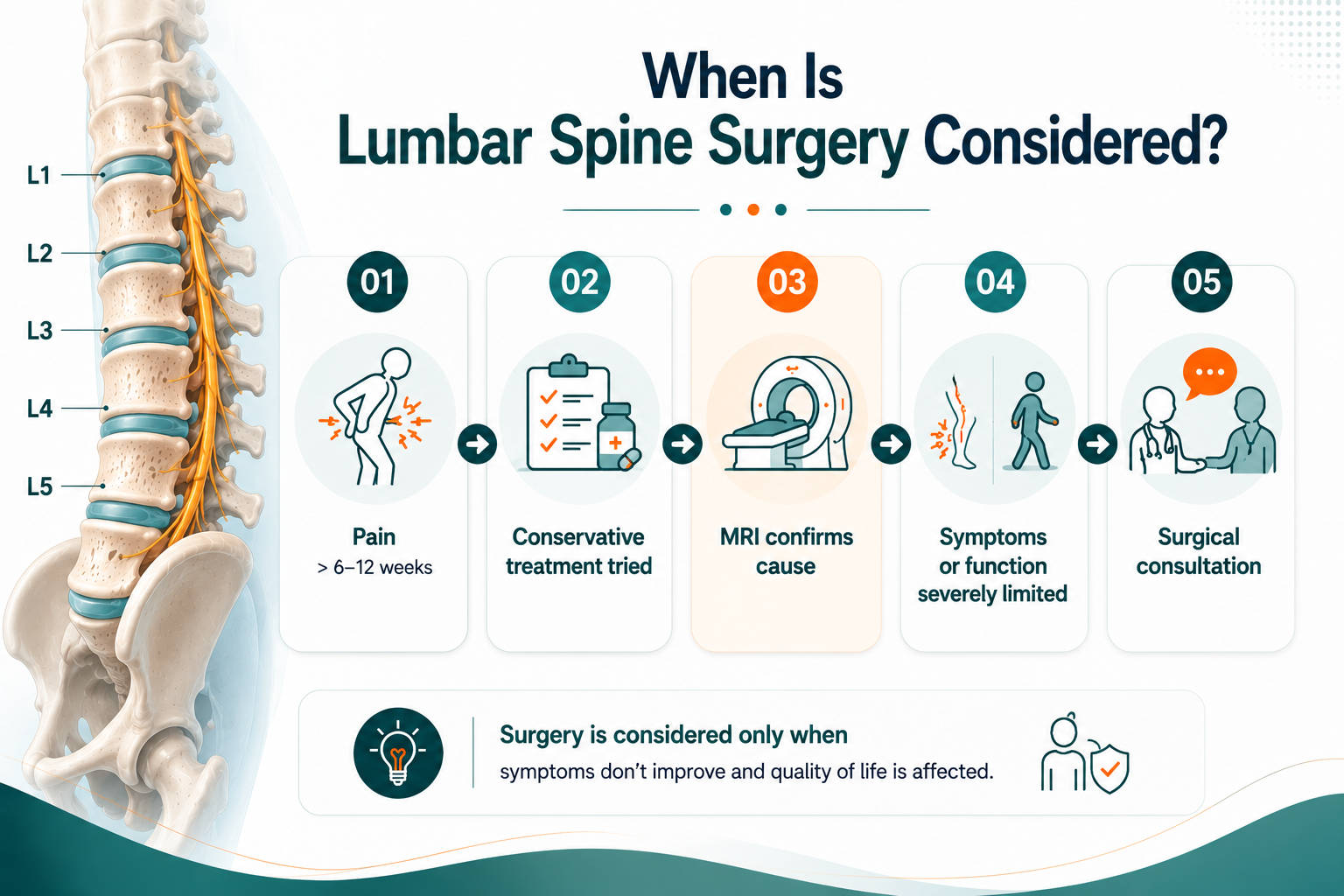
Surgery is typically considered when conservative treatments such as physiotherapy, pain medication, and injections have been tried for a sufficient period without adequate relief, or when the patient develops significant neurological weakness, loss of bladder or bowel control, or rapidly worsening symptoms. The procedure performed depends entirely on the underlying diagnosis, the severity of the condition, and the patient’s overall health.
Conditions Treated with Lumbar Spine Surgery
Lumbar spine surgery can address a wide range of lower back conditions. The most common include:
- Lumbar Disc Herniation (Slipped Disc): A disc that has bulged or ruptured presses against a spinal nerve, causing radiating leg pain (sciatica), numbness, or weakness.
- Lumbar Spinal Stenosis: Narrowing of the spinal canal compresses the nerves, causing pain or cramping in the legs, especially while walking.
- Degenerative Disc Disease: Worn-down discs that no longer provide adequate cushioning between the vertebrae, causing chronic lower back pain.
- Spondylolisthesis: One vertebra slips forward over the one below it, causing instability, nerve compression, and pain.
- Lumbar Fractures: Traumatic or osteoporotic fractures of the lumbar vertebrae requiring surgical stabilisation.
- Cauda Equina Syndrome: A medical emergency where the nerve bundle at the base of the spine is severely compressed, requiring urgent surgical decompression.
- Failed Back Surgery Syndrome: Persistent or recurring pain following a previous spinal procedure, requiring re-evaluation and revision surgery.
Types of Lumbar Spine Surgery
There is no single lumbar spine surgery type. The procedure recommended depends on your diagnosis, the location and severity of the problem, and whether the spine needs to be decompressed, stabilised, or both.
Microdiscectomy is the most common lumbar spine surgery for a herniated disc. A small portion of the disc pressing on the nerve is carefully removed through a minimally invasive incision. Most patients experience significant relief from leg pain within days.
2. Lumbar Decompression (Laminectomy / Laminotomy)
Laminectomy is used to treat spinal stenosis; this procedure removes a small section of the bony arch (lamina) that forms the back of the spinal canal, creating more space for the compressed nerves.
When two or more vertebrae are fused together using bone grafts and instrumentation (screws and rods) to eliminate painful movement at an unstable spinal segment. Often combined with decompression.
4. Minimally Invasive Spine Surgery (MISS)
Advanced techniques that use smaller incisions, tubular retractors, and fluoroscopic or endoscopic guidance to achieve the same surgical goals with less muscle damage, reduced blood loss, and faster recovery.
5. Lumbar Disc Replacement (Artificial Disc)
In selected patients with degenerative disc disease, the damaged disc is replaced with an artificial implant, preserving motion at that spinal level rather than fusing it.
6. Vertebroplasty / Kyphoplasty
Minimally invasive procedures for vertebral compression fractures, where bone cement is injected to stabilise and restore vertebral height.
Lumbar Spine Surgery: A Step-by-Step Guide
Lumbar spine surgery is performed under general or spinal anaesthesia. The specific steps depend on the type of procedure, but here is what most patients can expect:
Step 1: Pre-surgical Evaluation
Your MRI, CT scan, and X-rays, along with your symptom history and neurological examination findings, are reviewed to determine the most appropriate approach for your condition.
Step 2: Anaesthesia
You will be given general or regional (spinal) anaesthesia, ensuring you are completely comfortable and pain-free throughout the procedure.
Step 3: Patient Positioning
You are carefully positioned (usually prone, face down) on a specially designed operating table to allow optimal access to the lumbar spine while protecting all pressure points.
Step 4: Incision and Access
A small incision is made in the lower back. In minimally invasive procedures, a tubular retractor gently separates (rather than cuts) the surrounding muscles to reach the spine.
Step 5: Surgical Treatment
Depending on the procedure, the surgeon removes the problematic disc material, widens the spinal canal, places instrumentation for fusion, or performs the necessary decompression under magnification.
Step 6: Closure and Recovery
The incision is closed in layers. Most patients are encouraged to sit up and walk with assistance on the same day or the following morning.
Minimally Invasive Lumbar Spine Surgery Vs Traditional Open Surgery
| Feature | Minimally Invasive Surgery | Traditional Open Surgery |
| Incision Size | Small (1-3 cm) | Large (5-15 cm) |
| Muscle Damage | Minimal | More significant |
| Blood Loss | Reduced | Greater |
| Hospital Stay | 1-3 days | 3-7 days |
| Recovery Time | 2-4 weeks | 6-8 weeks |
| Post-op Pain | Less | More |
| Risk of Infection | Lower | Higher |
Note: Not every patient is suitable for minimally invasive surgery. Dr. Gupta will advise the safest and most effective approach after evaluating your imaging and overall health.
Lumbar Spine Surgery Complications: What You Should Know?
Like all surgical procedures, lumbar spine surgery carries some risks. Being informed helps you make the right decision with your surgeon.
Possible lumbar spine surgery complications include:
- Infection at the surgical site, bleeding, nerve injury, dural tear (a small leak in the membrane surrounding the spinal cord)
- Blood clots (deep vein thrombosis),
- Hardware failure in fusion cases,
- Incomplete symptom relief,
- In rare cases, adjacent-segment degeneration after fusion.
A thorough pre-operative assessment, along with careful patient selection, significantly lowers the likelihood of complications. All risks specific to your procedure and health status will be discussed clearly before surgery.
Who Is a Good Candidate for Lumbar Spine Surgery?
Lumbar spine surgery is recommended when symptoms are severe, progressive, or unresponsive to conservative treatment, and when imaging confirms a structural cause that can be surgically corrected.
You may be a suitable candidate if you:
- Have persistent lower back or leg pain not relieved by 6-12 weeks of conservative treatment
- Experience progressive leg weakness, numbness, or tingling
- Have difficulty walking, standing, or performing basic daily activities
- Show signs of nerve compression on MRI or CT scan
- Have been diagnosed with spondylolisthesis, spinal stenosis, or a herniated lumbar disc
- Are experiencing bladder or bowel problems due to nerve compression (urgent evaluation required)
Age, bone density, overall health, and smoking status are also considered. All these factors are evaluated before recommending surgery.
Recovery After Lumbar Spine Surgery
Recovery after lumbar spine surgery is generally progressive and depends on the type of procedure performed, the severity of pre-operative nerve compression, and the patient’s overall health.
General Recovery Milestones:
- Day 1: Most patients are mobile with assistance; early walking is encouraged.
- Days 2-4: Hospital discharge for uncomplicated procedures.
- Week 1-2: Rest at home; avoid bending, lifting, and twisting.
- Week 2-6: Gradual return to light activities and physiotherapy begins.
- Week 6-12: Return to most daily activities and light work for many patients.
- 3-6 Months: Full recovery and return to more demanding physical activities.
Rehabilitation plays a critical role in long-term outcomes. Physiotherapy, pain management, and follow-up imaging are coordinated to support your recovery at every stage.
Lumbar Spine Surgery Cost in Delhi
The lumbar spine surgery cost in India varies depending on the type of procedure, surgical approach, implants used, hospital stay duration, and post-operative care requirements.
Approximate Cost Range in Delhi:
| Procedure | Estimated Cost Range |
| Microdiscectomy | ₹1,20,000 – ₹2,50,000 |
| Lumbar Decompression (Laminectomy) | ₹1,50,000 – ₹3,00,000 |
| Lumbar Spinal Fusion (single level) | ₹2,50,000 – ₹5,00,000 |
| Minimally Invasive Spine Surgery | ₹2,00,000 – ₹4,50,000 |
| Lumbar Disc Replacement | ₹3,00,000 – ₹6,00,000 |
Factors that influence the total lumbar spine surgery cost include:
- Type and complexity of the procedure
- Number of spinal levels involved
- Implant and instrumentation costs (rods, screws, cages, artificial disc)
- Duration of hospital stay and ICU requirements
- Pre-operative investigations (MRI, CT, blood work, bone density scan)
- Post-operative physiotherapy and follow-up care
A personalised cost estimate will be provided during your consultation after reviewing your imaging and finalising the surgical plan. Insurance queries are also addressed at this stage.
Why Choose Dr. Vikas Gupta for Lumbar Spine Surgery in Delhi?
Choosing the right spine surgeon is one of the most important decisions you will make. Patients from East Delhi, Delhi NCR, and neighbouring states choose Dr. Vikas Gupta because:
- 30+ Years of Neurosurgical & Spine Surgery Experience across both complex elective and emergency spinal conditions
- Expertise in Both Open and Minimally Invasive Approaches, allowing the least invasive safe option for every patient
- Advanced Technology: Procedures performed at NABH and NABL-accredited Kailash Deepak Hospital with intraoperative imaging, neuromonitoring, and a dedicated neuro-ICU
- Personalised Surgical Planning: No protocol-based approach, every patient’s imaging, symptoms, and lifestyle are evaluated individually
- Transparent Communication: Patients and families are clearly guided through diagnosis, surgical plan, expected outcomes, and recovery
- Trusted by Patients from Karkardooma, Anand Vihar, East Delhi, and across Delhi NCR
Book a Consultation for Lumbar Spine Surgery in Delhi
Back pain that disrupts your sleep, limits your movement, or sends shooting pain down your legs deserves a proper evaluation, not just painkillers. Whether you have just received a diagnosis, been advised surgery, or are seeking a second opinion on your MRI report, scheduling a consultation with the best neurosurgeon is the right first step.
If you are experiencing sudden severe leg weakness, loss of bladder or bowel control, or rapidly worsening neurological symptoms, seek emergency care immediately.
During your consultation:
- Full review of MRI, CT scan, and X-ray reports
- Detailed neurological examination
- Assessment of surgical vs. non-surgical options
- Clear explanation of the recommended procedure, risks, and recovery
- Transparent discussion of lumbar spine surgery cost and insurance coverage
- Personalised recovery and rehabilitation plan
With the right diagnosis and a surgeon who has the experience to back every decision, lumbar spine surgery can restore your independence and quality of life.
Frequently Asked Questions
How Long Does Lumbar Spine Surgery Take? expand_more
A microdiscectomy typically takes 45 minutes to 1.5 hours. A lumbar decompression (laminectomy) takes approximately 1 to 2 hours. A lumbar fusion with instrumentation may take 2 to 4 hours or more, particularly when multiple levels are involved.
Is lumbar spine surgery always necessary? expand_more
No. Surgery is recommended only when conservative treatments have not provided adequate relief, or when there are significant neurological symptoms such as weakness, bladder or bowel problems, or rapidly deteriorating function. Many patients can be managed without surgery.
How soon can I walk after lumbar spine surgery? expand_more
Most patients are encouraged to walk with assistance on the same day or the morning after surgery. Early mobilisation is an important part of recovery and reduces the risk of complications.
How can I book an appointment with Dr. Vikas Gupta? expand_more
You can book an appointment with Dr. Vikas Gupta by contacting Neurological Hall or Kailash Deepak Hospital, Karkardooma, directly, or using their online appointment booking facilities.
How can I book an appointment at Kailash Deepak Hospital? expand_more
You can book an appointment at Kailash Deepak Hospital by calling the hospital reception directly or using the online appointment booking facility on the hospital's website.

Dr. Vikas Gupta’s Medical Content Team
Dr. Vikas Gupta’s medical content team specialises in creating accurate, clear, and patient-focused healthcare content. With strong clinical understanding and expertise in technical writing and SEO, the team translates complex medical information into reliable, accessible resources that support informed decisions and uphold Dr. Gupta’s commitment to quality care.
This content is reviewed by Dr. Vikas Gupta
Related Treatments

Cervical Spine Surgery in Delhi
Persistent neck pain, shooting arm pain, tingling in the fingers, or a loss of grip strength, these are not just…
Spinal Fusion Surgery in Delhi
Spinal fusion is a surgical procedure designed to join two or more vertebrae in the spine into a single, solid…

Brachial Plexus and Nerve Surgery in Delhi
The brachial plexus is a network of nerves running from the neck to the shoulder, arm, and hand. Damage from…
Minimally Invasive Spine Surgery (MISS) in Delhi
Minimally Invasive Spine Surgery (MISS) represents a revolutionary approach to treating various spine conditions through small incisions, specialised instruments, and…
Spinal Fixation Surgery in Delhi
Spinal fixation is a surgical procedure used to stabilize the spine and treat various spinal conditions. This type of surgery…
Related Blogs
Vertebroplasty for L2 Compression Fracture
Three Days of Back Pain. Then He Couldn’t Walk. His Vertebra Had Fractured. At a…
Read Article →
Back Exercises for Spine Health: A Complete Guide
A strong, flexible spine is the foundation of nearly every movement we make, from bending…
Read Article →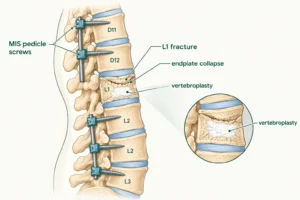
Minimally Invasive Spine Surgery for L1 Vertebral Fracture After a Fall
She Fell at Home. By the Time She Reached the Hospital, She Could Barely Move.…
Read Article →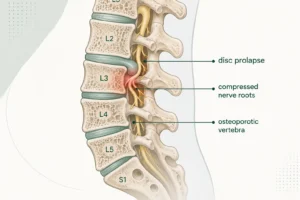
Disc Surgery for Leg Weakness and Back Pain in Osteoporosis
She Could Barely Walk. Her Spine Was Collapsing, and Her Bones Were Too Weak to…
Read Article →
Spinal Fusion Surgery for Disc Prolapse and Spinal Instability
She Had Been Managing the Pain for Months. Then One Morning, She Could Barely Move.…
Read Article →
Spinal Fusion Surgery for Degenerative Disc Disease
A Fall. Six Months of Pain. His Spine Had Been Quietly Degenerating for Years. At…
Read Article → WhatsApp