
Cervical Spondylosis Treatment in Delhi
Cervical spondylosis, also called neck spondylosis or neck arthritis, is age-related wear in the discs, joints and bones of the neck. It is one of the most common reasons for long-standing neck pain, and most people improve without surgery.
With over 30 years of neurosurgical experience, Dr. Vikas Gupta, Senior Consultant Neurosurgeon and Neurointerventional Specialist at Kailash Deepak Hospital, Delhi, provides advanced, personalised Cervical Spondylosis treatment in Delhi through evidence-based non-surgical management, minimally invasive spine procedures, and advanced surgical techniques when required.
Reach Out for Expert Care
What is Cervical Spondylosis?
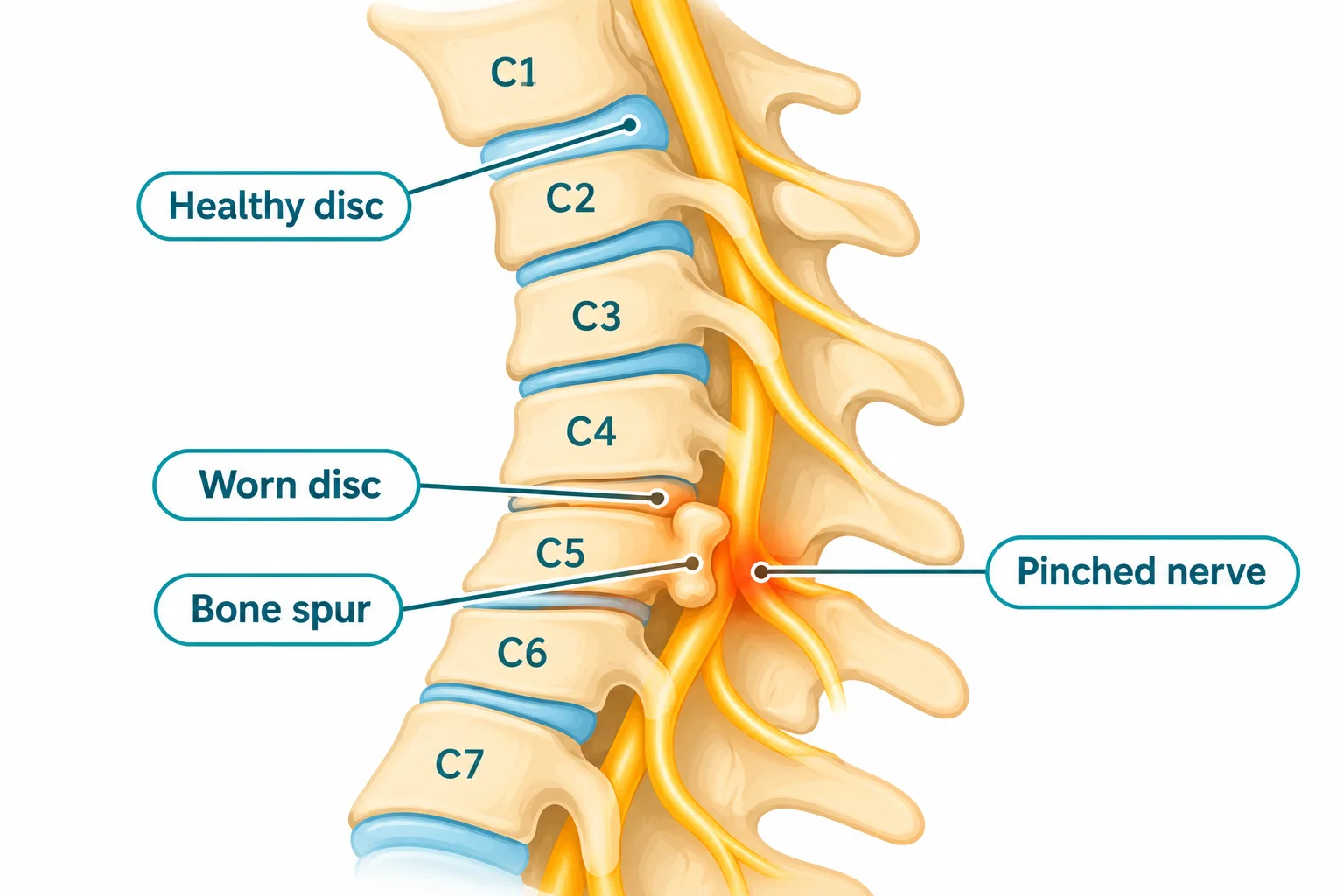
Cervical spondylosis is age-related wear and tear of the neck’s discs, joints and bones. Many people have these changes without any pain, but when they press on a nerve or the spinal cord, they cause neck pain, stiffness or arm tingling.
- It involves the seven vertebrae and the discs of the neck (C1-C7).
- It is common after 40, but desk workers and people with past neck injuries can develop it earlier.
- Many people have no symptoms, so treatment is needed only when it causes pain or nerve problems.
In short, cervical spondylosis is common and treatable, and an early check-up helps protect your nerves. The same wear-and-tear process can affect the lower back too, as explained in our guide to lumbar spondylosis.
Symptoms of Cervical Spondylosis
The most common cervical spondylosis symptoms are neck pain, stiffness and difficulty turning your head fully. If a nerve is pinched, you may also feel pain, tingling or numbness spreading to the shoulder, arm or fingers. Spondylosis symptoms usually build slowly and can come and go.
Other Common Symptoms:
- Persistent neck pain or stiffness
- Pain radiating to the shoulders or arms
- Numbness or tingling in arms, hands, or fingers
- Muscle weakness in the upper limbs
- Headaches originating from the neck
- Reduced range of neck movement
- Grinding or clicking sensation when turning the neck
Advanced Symptoms (When Nerve or Spinal Cord Compression Occurs):
- Loss of coordination or balance
- Difficulty with fine motor skills (buttoning clothes, writing)
- Heaviness or weakness in the legs
- Bladder or bowel control issues (rare but serious)
If neurological symptoms appear, immediate medical evaluation is essential to prevent long-term complications. See a real example in our case on cervical canal stenosis with myelopathy.
Causes of Cervical Spondylosis & Risk Factors
The main causes of cervical spondylosis are natural ageing changes in the neck: discs lose water and height, bone spurs form and ligaments thicken. Poor posture, long hours on a screen, an old neck injury and smoking can make these changes appear earlier or progress faster.
Main Causes:
- Age-related disc dehydration
- Thinning of cartilage between vertebrae
- Bone spur (osteophyte) formation
- Thickening of spinal ligaments
- Disc bulging or herniation
Risk Factors:
- Age above 40-50 years
- Sedentary lifestyle
- Prolonged desk work or screen use
- Poor posture
- Previous neck injury
- Repetitive neck strain
- Genetic predisposition
- Smoking
Lifestyle habits significantly influence the progression of spinal degeneration.
Diagnosis of Cervical Spondylosis
Cervical spondylosis is diagnosed with a physical and neurological examination followed by imaging. An MRI is the most useful scan for showing pinched nerves or spinal cord pressure, while an X-ray shows bone spurs and narrowed disc spaces.
The evaluation begins with a detailed discussion of:
- Duration and pattern of neck pain
- Radiation of pain to the shoulders or arms
- Numbness, tingling, or weakness
- Balance or coordination difficulties
- History of trauma or repetitive strain
Understanding symptom progression helps differentiate cervical spondylosis from other conditions, such as muscle strain or peripheral nerve disorders.
Physical & Neurological Examination
A comprehensive physical examination assesses:
- Neck range of motion
- Muscle strength in arms and hands
- Reflex responses
- Sensory changes
- Signs of spinal cord compression
Specific clinical tests may be performed to reproduce symptoms and identify affected nerve roots.
Imaging Studies
Imaging plays a crucial role in confirming the diagnosis and determining severity.
- X-ray: Reveal disc space narrowing, bone spurs (osteophytes), and alignment issues.
- MRI: Provides detailed images of discs, nerves, and the spinal cord. It is the most important test for detecting nerve compression.
- CT Scan: Used when a more detailed bone evaluation is required.
Advanced Diagnostic Tests (If Needed)
In certain cases, additional tests may be recommended:
- Nerve Conduction Studies (NCS)
- Electromyography (EMG)
These help distinguish cervical nerve compression from conditions like carpal tunnel syndrome or peripheral neuropathy.
Every treatment plan is thoughtfully crafted by Dr. Vikas Gupta, ensuring that each patient receives care that aligns precisely with their condition, lifestyle, and long-term recovery goals.
Cervical Spondylosis Treatment Options in Delhi
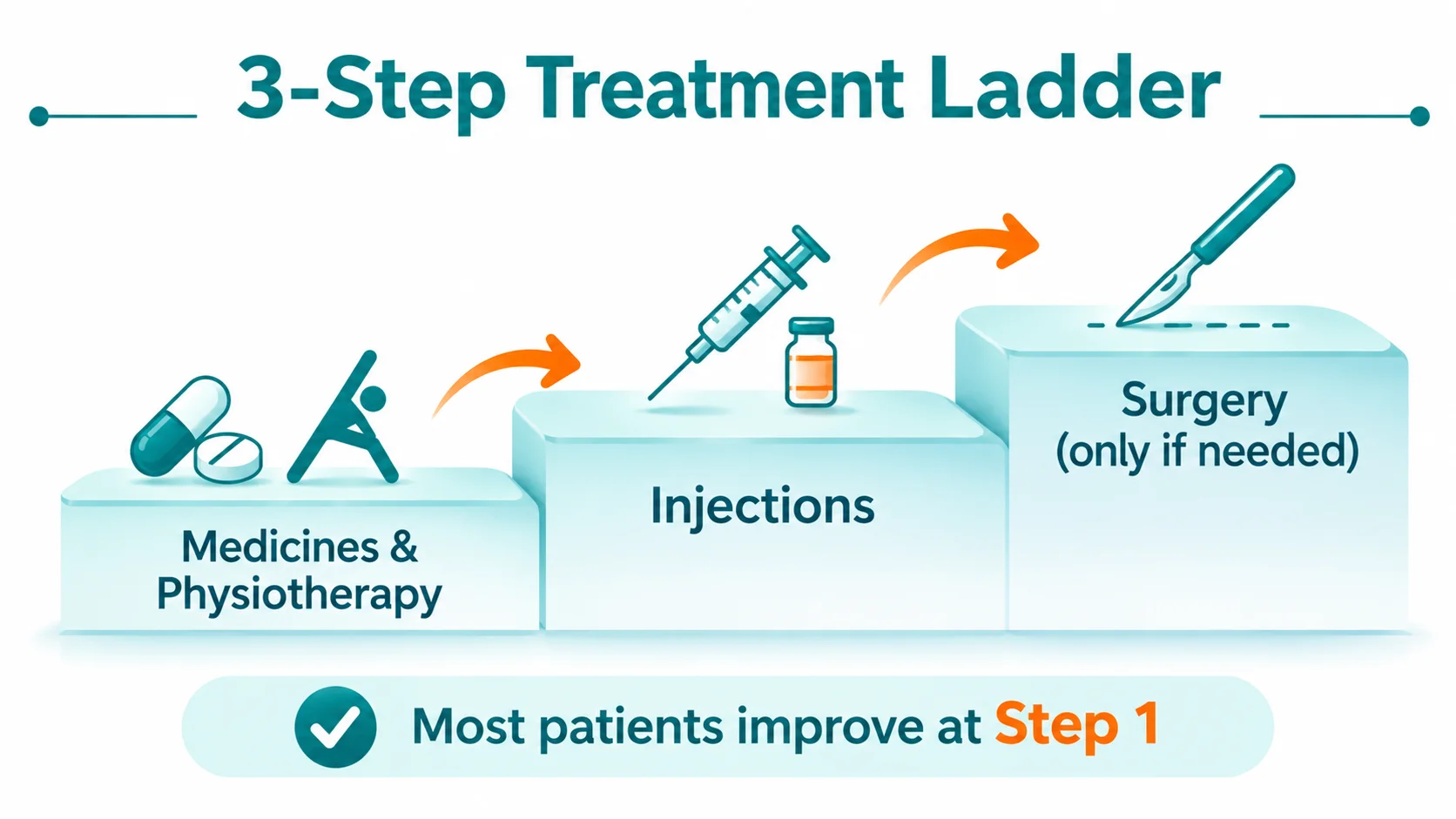
Most people with cervical spondylosis improve without surgery, using medicines, physiotherapy, posture correction and lifestyle changes. Injections are considered when pain continues, and surgery is kept for spinal cord compression, worsening weakness or pain that persists after 6-12 weeks of treatment.
Dr. Vikas Gupta personally designs each treatment plan, tailoring it to the patient’s specific diagnosis, symptoms, and overall health condition.
Non-Surgical Treatment (First-Line Management)
Most patients improve with conservative care.
Medications:
- Anti-inflammatory drugs (NSAIDs)
- Muscle relaxants
- Neuropathic pain medications
Physical Therapy:
- Neck strengthening exercises
- Posture correction techniques
- Cervical traction therapy
- Mobility improvement programs
Lifestyle Modifications:
- Ergonomic workstation adjustments
- Regular stretching
- Weight management
- Avoiding prolonged neck flexion
Cervical Collar (Short-Term Use): Provides temporary support during acute pain episodes.
Minimally Invasive Procedures
Recommended if conservative treatment fails.
- Epidural steroid injections
- Selective nerve root blocks
- Image-guided pain management procedures
These procedures help reduce inflammation and relieve symptoms of nerve compression.
Surgical Treatment
Surgery is considered when:
- There is spinal cord compression
- Severe nerve weakness develops
- Pain persists despite 6-12 weeks of treatment
- Progressive neurological deficits occur
Common surgical procedures include:
- Anterior Cervical Discectomy and Fusion (ACDF)
- Cervical disc replacement
- Posterior decompression surgery
The choice of procedure depends on imaging findings and clinical assessment.
Recovery and Rehabilitation for Cervical Spondylosis
Recovery from cervical spondylosis usually takes 2-6 weeks with non-surgical treatment and 6-12 weeks after surgery. Most patients return to light activity within 2-3 weeks of surgery and keep improving with guided physiotherapy.
Recovery After Non-Surgical Treatment
- Symptoms often improve within 2-6 weeks with medications and physiotherapy
- Neck strengthening and stretching exercises help restore flexibility
- Posture correction and ergonomic adjustments reduce strain on the cervical spine
- Regular activity and lifestyle modifications help prevent recurrence
Recovery After Injection-Based Treatments
- Pain relief may begin within a few days to one week after the procedure
- Most patients can resume normal daily activities within 24-48 hours
- Physiotherapy is usually recommended to maintain long-term spine health
- Follow-up evaluations help monitor symptom improvement
Recovery After Cervical Spine Surgery
- Hospital stay: Usually 1-3 days, depending on the procedure
- Neck support: A cervical collar may be advised for a short period
- Return to light activities: Typically within 2-3 weeks
- Full recovery: Most patients recover within 6-12 weeks with guided rehabilitation and follow-up care
Proper rehabilitation, regular exercise, and posture awareness play an important role in maintaining spinal health and preventing future neck problems.
Cervical Spondylosis Treatment Cost in Delhi
The cost of Cervical Spondylosis treatment in Delhi varies depending on the severity of the condition, diagnostic requirements, and the type of treatment recommended. Conservative management, including medications and physiotherapy, may cost approximately ₹5,000 to ₹25,000, while advanced procedures such as injections or minimally invasive spine surgery can range from ₹80,000 to ₹3,00,000 or more, depending on the complexity of the procedure and hospital facilities. Since every patient presents differently, the overall expense is determined after a detailed clinical evaluation.
Factors That Influence the Cost
- Severity of spinal degeneration
- Need for advanced imaging (MRI, CT scan, etc.)
- Duration of conservative treatment
- Requirement of pain management procedures (injections)
- Type of surgery, if indicated
- Hospital stay and post-operative rehabilitation
To get a figure that fits your case, bring your latest MRI report to the consultation. If surgery is advised, see our cervical disc replacement cost in Delhi.
When Should You See a Neurosurgeon for Neck Pain?
See a neurosurgeon if neck pain does not settle within a few weeks of rest and medicines, or if you notice arm weakness, numbness, balance problems or clumsy hands. Sudden weakness or loss of bladder or bowel control needs emergency care.
- Pain that spreads down the arm or into the fingers
- Tingling or numbness that is constant or getting worse
- Difficulty with buttons, writing or gripping
- Unsteady walking or heaviness in the legs
- Neck pain after a fall or injury.
If you are searching for a neurosurgeon near you in East Delhi, a visit to Dr. Vikas Gupta at Neurological Hall or Kailash Deepak Hospital can clarify whether you need cervical spondylosis treatment now. Related spine problems, such as a slip disc, can be assessed in the same visit.
Why Patients Trust Dr. Vikas Gupta for Cervical Spondylosis Treatment in Delhi?
Choosing the right spine specialist is crucial for achieving long-term relief from neck pain and preventing neurological complications. Patients across Delhi NCR rely on Dr. Vikas Gupta for cervical spine care because of:
- 30+ Years of Neurosurgical Experience
- Extensive expertise in managing complex cervical spine disorders
- Strong focus on accurate diagnosis and evidence-based treatment
- Specialisation in both non-surgical and advanced surgical spine procedures
- Personalised treatment planning tailored to each patient’s condition
- Trusted name in spine and neurological care across East Delhi
- His approach prioritises patient safety, functional recovery, and long-term spine health.
Book a Consultation for Cervical Spondylosis Treatment in Delhi
Cervical spondylosis may begin with mild neck discomfort, but if left untreated, it can progress to nerve compression or spinal cord involvement. Early consultation ensures timely intervention and better recovery outcomes.
During your consultation you will be provided:
- Detailed review of symptoms and medical history
- Comprehensive neurological and spine examination
- Assessment of MRI / CT scan reports (if available)
- Evaluation of nerve or spinal cord compression
- Clear explanation of treatment options (conservative or surgical)
- Transparent discussion about recovery timeline and cost
Timely evaluation not only relieves pain but also helps prevent long-term complications such as chronic nerve damage or mobility issues.
Frequently Asked Questions
Is cervical spondylosis a permanent condition? expand_more
Cervical spondylosis is a degenerative condition related to age-related changes in the cervical spine. While the structural changes cannot be completely reversed, symptoms can be effectively managed with appropriate treatment and lifestyle modifications.
Which neurosurgeon should I see near me for cervical spondylosis in Delhi? expand_more
If you are searching for a "neurosurgeon near me" for neck pain in East Delhi, look for a specialist who offers both non-surgical and surgical spine care and explains your MRI clearly.
Which sleeping position is best for cervical spondylosis? expand_more
Sleeping on the back or side with proper neck support is generally recommended. Using a cervical pillow or a pillow that maintains the natural curve of the neck may help reduce strain during sleep.
How can I book an appointment with Dr. Vikas Gupta? expand_more
You can book an appointment with Dr. Vikas Gupta by directly contacting Neurological Hall or Kailash Deepak Hospital, Karkardooma, or by using their online appointment booking facilities.
How can I book an appointment at Kailash Deepak Hospital? expand_more
You can book an appointment at Kailash Deepak Hospital by calling the hospital reception directly or by using their online appointment booking facility available on the hospital’s website.

Dr. Vikas Gupta’s Medical Content Team
Dr. Vikas Gupta’s medical content team specialises in creating accurate, clear, and patient-focused healthcare content. With strong clinical understanding and expertise in technical writing and SEO, the team translates complex medical information into reliable, accessible resources that support informed decisions and uphold Dr. Gupta’s commitment to quality care.
This content is reviewed by Dr. Vikas Gupta
 WhatsApp