
VP shunt surgery in Delhi typically costs ₹1.5 lakh to ₹4.5 lakh at a private multispecialty hospital. A straightforward non-programmable shunt insertion for a child with congenital hydrocephalus falls at the lower end of this range. A programmable shunt with advanced valve technology, or a revision surgery to replace or reposition a malfunctioning shunt, represents the higher end. Under Dr. Vikas Gupta’s care at Kailash Deepak Hospital, every patient receives a personalised written cost estimate after clinical assessment.
Reach Out for Expert Care
Introduction
A ventriculoperitoneal (VP) shunt is a small medical device that drains the excess fluid away from the brain and into the abdominal cavity, where the body absorbs it naturally. It is the most widely used surgical treatment for hydrocephalus, reliable, well-established, and effective across all age groups from newborns to the elderly.
For families facing this diagnosis for the first time, understanding the cost before arriving at the hospital is not a small concern. Financial uncertainty should not be a reason to delay a decision or interrupt a treatment plan.
Dr. Vikas Gupta is a Senior Consultant Neurosurgeon and Neurointerventionalist at Kailash Deepak Multispecialty Hospital, Karkardooma, Delhi NCR. With over 30 years of clinical experience, he has treated hydrocephalus across its full spectrum, from premature infants to elderly patients with normal pressure hydrocephalus, and brings the same standard of technical precision to a VP shunt as to the most complex vascular cases.
This page gives you a clear, honest breakdown of VP shunt surgery costs in Delhi, what drives those costs, what each type of procedure involves, and how to reach Dr. Gupta’s team today.
How Much Does VP Shunt Surgery Cost in Delhi?
The cost of VP shunt surgery in Delhi at a private multispecialty hospital ranges from approximately ₹1.5 lakh to ₹4.5 lakh for a first-time shunt insertion. Revision surgery, performed when a shunt malfunctions, becomes infected, or needs repositioning, adds to this range because it involves removing and replacing the existing system, often with more complex surgical access.
Three phases shape the total cost: the preoperative phase, the surgical procedure, and the postoperative stay and follow-up.
Pre-operative Phase
Neurological examination and clinical assessment
- MRI or CT brain scan to confirm hydrocephalus type and severity
- Blood panel, full blood count, coagulation studies, metabolic profile
- Anaesthesia assessment and pre-medication where indicated
- Discussion of the shunt type and the written cost estimate
Surgical Procedure
General anaesthesia for adults and children
- Insertion of a ventricular catheter into the brain’s ventricle
- Placement of the shunt valve (non-programmable or programmable)
- Tunnelling of the peritoneal catheter under the skin to the abdominal cavity
- Wound closure and dressings
Post-operative Stay and Follow-up
Most patients stay in the hospital for two to five days after shunt insertion. ICU monitoring, typically one to two nights:
- Neurological observation and vital signs monitoring
- Post-operative CT scan to confirm shunt position
- Pain management and anti-infection medication
- Ward stay until discharge criteria are met
- Discharge summary, imaging, and follow-up appointment scheduling
If clinical assessment during your admission indicates any additional procedures or specialist input, Dr. Gupta’s team will discuss this with you and provide an updated written cost estimate before proceeding.
VP Shunt Surgery Cost Breakdown by Procedure Type in Delhi
The table below presents indicative Delhi market ranges for each type of VP shunt procedure. These are based on current data from private multispecialty hospitals in Delhi NCR.
| Procedure Type | Indicative Cost Range (Delhi) | Key Cost Driver |
| Non-programmable VP shunt insertion | ₹1.5 lakh – ₹2.5 lakh | Device cost, hospital stay, paediatric vs adult |
| Programmable VP shunt insertion | ₹2.5 lakh – ₹4.5 lakh | Advanced valve device cost, age, and complexity |
| VP shunt revision surgery | ₹2 lakh – ₹5 lakh | Reason for revision, new device type, ICU stay |
| Endoscopic third ventriculostomy (ETV) – shunt alternative | ₹2 lakh – ₹3.5 lakh | Suitable for obstructive hydrocephalus only |
| Pre-operative diagnostics (MRI/CT + bloods) | ₹8,000 – ₹25,000 | MRI vs CT, contrast, and additional sequences |
| Post-operative follow-up imaging | ₹5,000 – ₹15,000 | CT vs MRI, frequency of monitoring |
These are indicative Delhi market ranges. Your personalised written cost estimate is confirmed after clinical assessment. Costs may vary based on clinical complexity, ward category selected, and duration of stay.
What Factors Affect the Cost of VP Shunt Surgery?
The cost varies most with the type of shunt device chosen, the patient’s age and clinical complexity, and the length of the hospital stay. Here are the eight factors that most influence the total cost
1. Type of Shunt Device
The single biggest variable within the surgical cost itself. Non-programmable shunts have a fixed pressure setting chosen before surgery. Programmable shunts. also called adjustable or gravitational shunts, allow the drainage rate to be changed non-invasively after implantation, using a magnetic programmer placed over the skin. Programmable devices cost more upfront but reduce the likelihood of revision surgery due to over- or underdrainage as the patient’s condition changes over time.
2. Paediatric vs Adult Surgery
VP shunt surgery in infants and young children is more technically demanding than in adults due to the smaller anatomy involved. Neonatal and paediatric cases often require additional monitoring and a longer ICU stay, which increases total cost. On the other hand, adult normal pressure hydrocephalus cases, typically in patients over 60, may involve a less technically complex insertion but require closer neurological monitoring to assess shunt response.
3. First Insertion vs Revision Surgery
A first-time shunt insertion is a planned, relatively predictable procedure. Revision surgery is more variable in complexity; it may involve removing an infected shunt and staging the re-insertion, replacing a blocked or fractured catheter, or repositioning a migrated distal tube. Each scenario carries different operative time, device requirements, and recovery expectations.
4. Cause of Hydrocephalus
Straightforward congenital hydrocephalus or post-haemorrhagic hydrocephalus in a newborn has a clearer surgical pathway than hydrocephalus secondary to a brain tumour, meningitis, or a brain AVM. When hydrocephalus is caused by an underlying condition that also needs treatment, the combined admission cost reflects both procedures.
5. ICU Duration
ICU care is the highest-cost component of any neurosurgical admission. Most uncomplicated shunt insertions require one to two nights of ICU monitoring. Cases with post-operative complications, significant pre-operative neurological deficit, or concurrent illness may need longer intensive care, which significantly increases the total.
6. Length of Ward Stay
After leaving the ICU, the ward stay adds nursing care, medications, daily specialist review, and postoperative imaging to the bill. A straightforward shunt insertion typically involves two to three days of ward care. A complicated revision or an infection-related admission may extend for 10 days or more.
7. Diagnostic Imaging Complexity
A standard CT brain is sufficient to confirm shunt positioning post-operatively. Pre-operative assessment may require an MRI with specific sequences to evaluate ventricular anatomy, identify the cause of hydrocephalus, or plan the catheter trajectory. Each additional imaging requirement adds to the diagnostic cost.
8. Ward Category and Hospital Infrastructure
Choosing a general ward versus a private or deluxe room affects the room-and-board component of the admission cost, though it does not affect the quality of surgical care. The hospital’s infrastructure, availability of neuro-ICU, intraoperative imaging, and paediatric neurosurgical support also influence the base cost.
The VP Shunt Surgery Process at Dr. Vikas Gupta’s Practice, Delhi NCR
Understanding what happens at each stage helps families know exactly what they are paying for and why each step matters.
Step 1: Pre-operative Assessment and Imaging
The neurosurgery team reviews all available imaging, confirms the diagnosis and type of hydrocephalus, and selects the appropriate shunt device. A complete blood panel, anaesthesia review, and written consent process are completed. For patients with hydrocephalus caused by a tumour or infection, the underlying condition is addressed or stabilised first, where possible.
Step 2: General Anaesthesia
VP shunt surgery is performed under general anaesthesia. The patient is positioned carefully, usually lying on their back with the head turned to one side, and the surgical site is prepared and draped.
Step 3: Ventricular Catheter Insertion
A small incision is made in the scalp, and a precise hole is drilled in the skull. Under imaging guidance or using neuronavigation in complex cases, the proximal catheter is advanced through the brain tissue into the fluid-filled ventricle. The surgeon confirms CSF flow from the catheter before connecting it to the valve.
Step 4: Valve and Distal Catheter Placement
The shunt valve, which controls the rate of CSF drainage, is secured just behind the ear. A second incision is made in the abdomen, and the distal catheter is tunnelled under the skin from the scalp incision down to the abdominal opening. The tip is placed in the peritoneal cavity, where the CSF will drain and be absorbed.
Step 5: Closure and Dressing
Both incisions are closed in layers and covered with dressings. The entire procedure typically takes 45 minutes to 1.5 hours, depending on the patient’s anatomy and the type of device used.
Step 6: Post-operative Monitoring
The patient moves to the neuro-ICU for continuous monitoring. A post-operative CT scan is taken to confirm catheter position and check for any immediate complications such as bleeding. Neurological status, blood pressure, and intracranial pressure indicators are closely observed.
Step 7: Transition to Ward and Discharge
Once stable, the patient moves to the neurosurgical ward. Activity is gradually increased, and oral feeding is resumed. Before discharge, Dr. Gupta reviews the scan, confirms the shunt is functioning correctly, and sets the programmable valve (if used) to the appropriate pressure setting. A follow-up appointment is scheduled.
Step 8: Long-term Follow-up
VP shunts require lifelong monitoring. Follow-up visits allow Dr. Gupta to assess neurological function, check for signs of shunt malfunction or infection, and adjust programmable valve settings as the patient grows or their condition changes. In children, the shunt is typically revised at least once as the child grows and the catheter length becomes insufficient.
Click here to know more about the VP shunt surgery procedure.
VP Shunt Surgery Outcomes and Success Rates
VP shunt surgery is highly effective at relieving the symptoms of hydrocephalus and preventing progressive brain damage. Most patients, particularly those treated early, show significant improvement in neurological function after surgery.
Congenital and Paediatric Hydrocephalus
Early treatment is critical. Children with hydrocephalus who receive timely shunt insertion generally develop better cognitive and motor function than those in whom surgery is delayed. Success rates for symptom control are high, though revision surgery is common over the course of a child’s life; approximately 40% of shunts require at least one revision within ten years, most often due to catheter obstruction as the child grows.
Adult and Normal Pressure Hydrocephalus (NPH)
Normal pressure hydrocephalus in older adults, presenting with the classic triad of memory loss, unsteady gait, and bladder control problems, responds well to VP shunting. Walking and balance typically improve most noticeably and quickly. Memory improvement is more variable and depends on how long symptoms have been present. Patients assessed and treated before a significant cognitive decline tend to show the best outcomes.
Post-surgical or Secondary Hydrocephalus
Hydrocephalus secondary to brain haemorrhage, meningitis, or tumour carries a more complex prognosis that depends on the underlying condition. The shunt addresses CSF accumulation; the neurological outcome also depends on the extent of brain damage already incurred from the primary event. For these patients, the shunt is one component of a broader treatment plan.
Click here for detailed information on hydrocephalus, its causes, symptoms, and diagnosis.
Why Patients Trust Dr. Vikas Gupta for VP Shunt Surgery in Delhi?
Choosing the right neurosurgeon for a VP shunt, whether for a newborn, a child, or an elderly parent, is among the most consequential decisions a family can make. Patients across Delhi NCR consult Dr. Vikas Gupta for VP shunt surgery because of:
- 25+ Years of Neurosurgical Experience across paediatric and adult hydrocephalus
- 5,000+ neurosurgical procedures performed, with VP shunt insertion and revision among his core areas of practice
- Expertise in both non-programmable and programmable shunt systems, with personalised device selection based on each patient’s clinical profile
- Access to neuronavigation and intraoperative imaging for precise catheter placement in complex cases
- Transparent cost practices, written estimate provided after assessment, with no hidden charges
- Comprehensive follow-up programme with long-term shunt monitoring
- Trusted name in brain and spine surgery across East Delhi and Delhi NCR
His approach prioritises getting the diagnosis and device selection right the first time, because a well-inserted, appropriately chosen shunt reduces the likelihood of revision surgery and its associated costs and risks.
VP Shunt Surgery in Delhi for International Patients
Delhi is a well-established destination for paediatric and adult neurosurgery from across South Asia, the Middle East, and Africa.
Cost Comparison
VP shunt surgery costs in Delhi are substantially lower than equivalent care in the United Kingdom, United States, or UAE:
| Procedure | Delhi (approx.) | USA (approx.) | UK (approx.) |
| Non-programmable VP shunt | USD 1,800 – 3,000 | USD 15,000 – 35,000 | USD 12,000 – 25,000 |
| Programmable VP shunt | USD 3,000 – 5,400 | USD 25,000 – 50,000 | USD 18,000 – 40,000 |
| VP shunt revision | USD 2,400 – 6,000 | USD 20,000 – 50,000+ | USD 15,000 – 40,000+ |
Cost comparisons are indicative. USD/GBP conversions are based on current exchange rates and are subject to change.
Pre-travel Teleconsultation
Before travelling, international patients and families are encouraged to share all available imaging (CT or MRI scans) and clinical records. A teleconsultation with Dr. Gupta can confirm the diagnosis, determine the appropriate shunt type, provide a personalised written cost estimate, and ensure everything is arranged for admission before arrival, avoiding unnecessary waiting time in Delhi.
Home Country Insurance Reimbursement
A complete documentation set is prepared for all international patients: discharge summary, itemised cost breakdown, operative notes, post-operative imaging on digital media, and a formal clinical letter on hospital letterhead. This is what most international insurers require for reimbursement claims.
Medical Visa (M Visa) Support
Patients travelling to India specifically for VP shunt surgery or follow-up require a Medical Visa (M Visa). Full support is provided in preparing the documentation required for the visa application.
Three Things to Know Before You Call
- Early treatment protects brain function and reduces total cost: Hydrocephalus causes progressive pressure on brain tissue. The longer the ventricles remain enlarged, the greater the risk of cognitive and neurological damage, and the longer the post-operative recovery. A VP shunt inserted early reduces secondary brain injury, shortens ICU stays, and lowers the overall cost of the admission compared with delayed treatment.
- The right shunt choice matters as much as the operation itself: Choosing between a non-programmable and programmable device is not simply a cost decision; it depends on the patient’s age, the type and cause of hydrocephalus, and the likelihood of needing pressure adjustments over time. An inappropriate device choice is one of the most common reasons for early revision surgery. Dr. Gupta’s assessment covers this in detail before any recommendation is made.
- Costs in Delhi are transparent and manageable: VP shunt surgery ranges from approximately ₹1.5 lakh to ₹4.5 lakh, depending on the device chosen and clinical complexity. Insurance, CGHS, ESIC, PM-JAY, and structured payment plans are all available pathways. A written estimate is provided after clinical assessment; no commitments are required before you know what to expect.
Frequently Asked Questions
How long does a VP shunt last? expand_more
There is no fixed lifespan; some shunts function for decades without revision, while others need adjustment or replacement within a few years. Paediatric shunts typically require at least one revision as the child grows and the catheter length becomes inadequate. Adults with stable hydrocephalus may go many years without needing further surgery.
Is VP shunt surgery covered under health insurance in India? expand_more
Yes. VP shunt surgery qualifies as a medically necessary neurosurgical inpatient procedure and is covered under most comprehensive private health insurance plans in India. Check your policy for sub-limits on implant or device costs, as these vary between insurers.
What are the signs that a VP shunt is malfunctioning? expand_more
The most important warning signs are a return of the original hydrocephalus symptoms, headache, drowsiness, nausea and vomiting, deteriorating vision, or reduced alertness, which may indicate that the shunt has become blocked.
How can I book an appointment with Dr. Vikas Gupta? expand_more
To book a consultation with Dr. Vikas Gupta, you can contact Neurological Hall or Kailash Deepak Hospital, Karkardooma, directly by phone or reach out via the appointment booking form on this website. The team will confirm your slot and share any preparation details ahead of your visit.
How can I book an appointment at Kailash Deepak Hospital? expand_more
Appointments at Kailash Deepak Hospital can be scheduled by calling the hospital reception or through the online booking facility on the hospital's website. For neurosurgery consultations specifically, contacting the team via this page is often the quickest route.

Dr. Vikas Gupta’s Medical Content Team
Dr. Vikas Gupta’s medical content team specialises in creating accurate, clear, and patient-focused healthcare content. With strong clinical understanding and expertise in technical writing and SEO, the team translates complex medical information into reliable, accessible resources that support informed decisions and uphold Dr. Gupta’s commitment to quality care.
This content is reviewed by Dr. Vikas Gupta
Related Articles
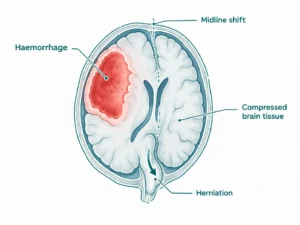
Decompressive Hemicraniectomy for Sudden Brain Haemorrhage in a Young Patient
She Was 28. No Health Issues. Then Without Warning: She Collapsed. At a Glance Patient…
Read Article →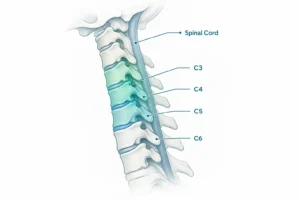
Cervical Canal Stenosis with Myelopathy
She Fell, Then Couldn’t Move Her Arms or Legs. Her Neck Was Silently Crushing Her…
Read Article → WhatsApp