
Functional Neurosurgery in Delhi
Functional Neurosurgery is a specialized branch of neurosurgery that focuses on treating neurological disorders by modifying or controlling abnormal brain functions. It is primarily used to manage conditions like epilepsy, movement disorders (such as Parkinson’s disease), chronic pain, and psychiatric disorders. This type of surgery targets specific areas in the brain or nervous system responsible for these dysfunctions, aiming to improve the patient’s quality of life.
The goal of functional neurosurgery is not just to alleviate symptoms but to restore as much normal function as possible. This can significantly enhance a patient’s ability to perform everyday tasks, improving their overall well-being and independence. Recent studies have shown that Deep Brain Stimulation (DBS), a common procedure in functional neurosurgery, can reduce symptoms by up to 70% in patients with Parkinson’s disease.
According to Dr. Vikas Gupta, “Functional neurosurgery offers hope to patients with debilitating conditions by using advanced technology to restore normal brain function. The procedures are precise and can lead to significant improvements in quality of life.”
Reach Out for Expert Care
What is the Functional Neurosurgery Procedure?
Functional neurosurgery procedures vary depending on the neurological condition being treated. The approach is highly personalized and tailored to the unique needs of the patient. The most commonly known procedure is Deep Brain Stimulation (DBS), which is often used to treat movement disorders like Parkinson’s disease and essential tremors.
In DBS, electrodes are implanted into specific areas of the brain that control movement. These electrodes are connected to a small device implanted in the chest, which sends electrical impulses to regulate abnormal brain activity. This procedure helps to reduce tremors, rigidity, and other movement-related symptoms, allowing patients to regain control over their movements.
Procedures like Vagus Nerve Stimulation (VNS) and Laser Interstitial Thermal Therapy (LITT) are commonly used for patients with epilepsy. VNS involves implanting a small device under the skin that sends electrical pulses to the vagus nerve, which can help reduce the frequency and severity of seizures. LITT uses laser energy to target and destroy the area of the brain where seizures originate, offering another minimally invasive option for epilepsy patients.
Patients suffering from chronic pain may undergo Spinal Cord Stimulation (SCS), a technique in which electrical impulses block pain signals from reaching the brain. This procedure has proven highly effective for managing conditions like chronic back or neck pain.
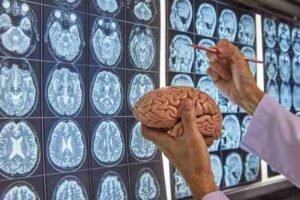
One key aspect of functional neurosurgery is its reliance on advanced imaging techniques such as MRI and CT scans. These technologies help surgeons accurately target the affected areas, improving the success rates of procedures and minimizing risks.
What Are the Latest Modern Neurosurgical Treatments?
The field of neurosurgery has seen significant advancements over the years, particularly with the introduction of robot-assisted surgery, intraoperative MRI, and minimally invasive techniques. These innovations have revolutionized how surgeons approach complex neurological disorders, allowing for more precise surgeries and faster recovery times.
For example, robot-assisted surgery offers unparalleled precision in targeting small or difficult-to-reach areas of the brain. At the same time, intraoperative MRI allows surgeons to see real-time images during surgery, ensuring accurate placement of electrodes or other devices. This helps to maximize the effectiveness of the procedure and minimize the risk of complications.
Emerging treatments such as focused ultrasound are also gaining popularity, especially for conditions like essential tremor and Parkinson’s disease. This non-invasive treatment uses focused sound waves to target specific brain areas, offering relief without requiring surgical incisions. This makes it a less invasive option, reducing recovery time and the risk of infection.
One of Dr. Vikas Gupta’s patients shares, “I was diagnosed with Parkinson’s disease and was struggling with tremors and movement issues. Dr. Vikas Gupta suggested Deep Brain Stimulation, and although I was initially apprehensive, his calm demeanor and clear explanation reassured me. The surgery went smoothly, and the tremors were significantly reduced. I’m able to perform daily tasks again, and my quality of life has greatly improved thanks to Dr. Vikas and his team.”
What is the Cost of Functional Neurosurgery?
The cost of functional neurosurgery varies depending on several factors, including the type of procedure, the complexity of the condition, and the hospital’s location and reputation. On average, procedures like Deep Brain Stimulation (DBS) can cost between INR 5,00,000 and INR 15,00,000. More complex or less commonly performed surgeries may have higher costs.
It is essential to consider that the total cost of functional neurosurgery includes more than just the surgery itself. Preoperative consultations, diagnostic imaging, hospital stays, post-operative care, and rehabilitation services all contribute to the overall expense. Therefore, patients are advised to have a detailed discussion with their healthcare provider about the expected costs.
Some health insurance plans cover functional neurosurgery, especially for conditions like Parkinson’s disease and epilepsy. However, coverage may vary depending on the insurance provider and the specific terms of the policy. It’s important to review your health insurance to understand what is covered and what out-of-pocket expenses you might incur.
How Effective is Functional Neurosurgery?
Functional neurosurgery has shown high success rates in treating various neurological disorders. For example, in patients with Parkinson’s disease, Deep Brain Stimulation has been shown to reduce tremors and other symptoms by up to 70%. Similarly, Vagus Nerve Stimulation (VNS) has been effective in reducing seizure frequency in epilepsy patients, with some patients experiencing a 50% reduction in seizures.
While the effectiveness of functional neurosurgery depends on several factors, including the patient’s overall health, the type of condition being treated, and the surgeon’s experience, the outcomes are generally very positive. Many patients report significant improvements in their symptoms, which directly impact their ability to perform daily tasks and improve their quality of life.
Conclusion
Functional neurosurgery has opened new avenues of treatment for patients living with debilitating neurological conditions. With advancements in surgical techniques and technologies, patients now have access to safer, more effective procedures that may support long-term symptom control in conditions such as epilepsy, Parkinson’s disease, and chronic pain.
Modern neurosurgical approaches including robot-assisted surgery, focused ultrasound, and intraoperative MRI continue to expand the scope of functional neurosurgery while helping to improve surgical precision, reduce recovery time, and minimise risks. These developments have strengthened the role of functional neurosurgery within comprehensive neurological care.
In Delhi, access to functional neurosurgery requires specialised expertise, careful patient selection, and a multidisciplinary approach. Under the clinical care of Dr. Vikas Gupta, Senior Consultant Neurosurgeon in Delhi, treatment decisions are guided by established clinical protocols, individual neurological needs, and long-term safety considerations. Patients and families are encouraged to consult a qualified neurosurgeon to understand whether functional neurosurgery may be an appropriate option for their condition.

Dr. Vikas Gupta’s Medical Content Team
Dr. Vikas Gupta’s medical content team specialises in creating accurate, clear, and patient-focused healthcare content. With strong clinical understanding and expertise in technical writing and SEO, the team translates complex medical information into reliable, accessible resources that support informed decisions and uphold Dr. Gupta’s commitment to quality care.
This content is reviewed by Dr. Vikas Gupta
Related Blogs
 WhatsApp