
Transient Ischaemic Attack (TIA) Treatment in Delhi
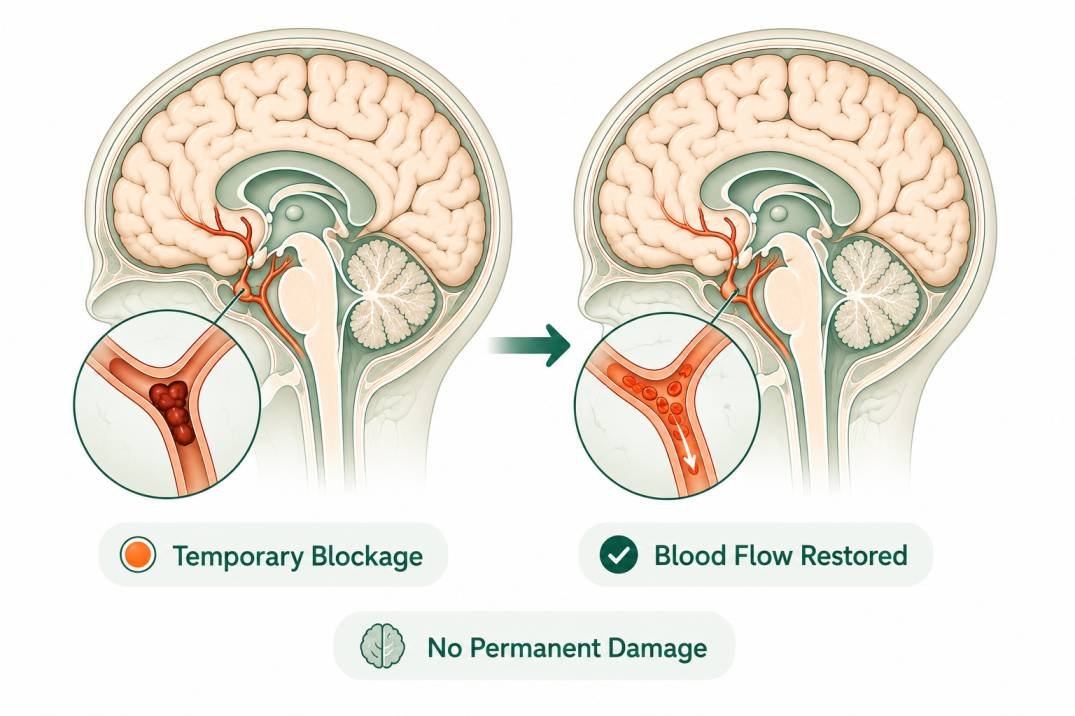
A transient ischemic attack (TIA) is a temporary interruption of blood supply to the brain, lasting minutes to a few hours, that resolves without permanent damage. If you are seeking Transient Ischemic Attack (TIA) Treatment in Delhi, early medical evaluation is critical. Often called a “mini-stroke,” TIA is a medical emergency and a strong warning that a full stroke may follow, studies indicate that up to 10-15% of TIA patients experience a stroke within 90 days, with the highest risk in the first 48 hours.
Dr. Vikas Gupta, Senior Consultant Neurosurgeon and Neurointerventional Specialist at Kailash Deepak Hospital, Karkardooma, Delhi, provides prompt evaluation and personalised TIA management to reduce stroke risk and protect long-term brain health.
Reach Out for Expert Care
What Is a Transient Ischemic Attack?
A TIA occurs when a clot or narrowed artery briefly cuts blood flow to part of the brain, causing stroke-like symptoms that clear within 24 hours, usually within 30 minutes. Unlike a stroke, there is no lasting brain tissue damage. However, TIA is a serious neurological event, not a condition to wait and watch.
Warning Signs of TIA: Use the FAST Test
TIA symptoms appear suddenly and resolve quickly, which is why they are often missed or dismissed. Key warning signs include:
Sudden weakness or numbness on one side of the face, arm, or leg; slurred or confused speech; vision loss or blurring in one or both eyes; sudden severe headache without a known cause; dizziness, loss of balance, or difficulty walking. Use the FAST test as a quick check:
- Face drooping
- Arm weakness
- Speech difficulty
- Time to call for help.
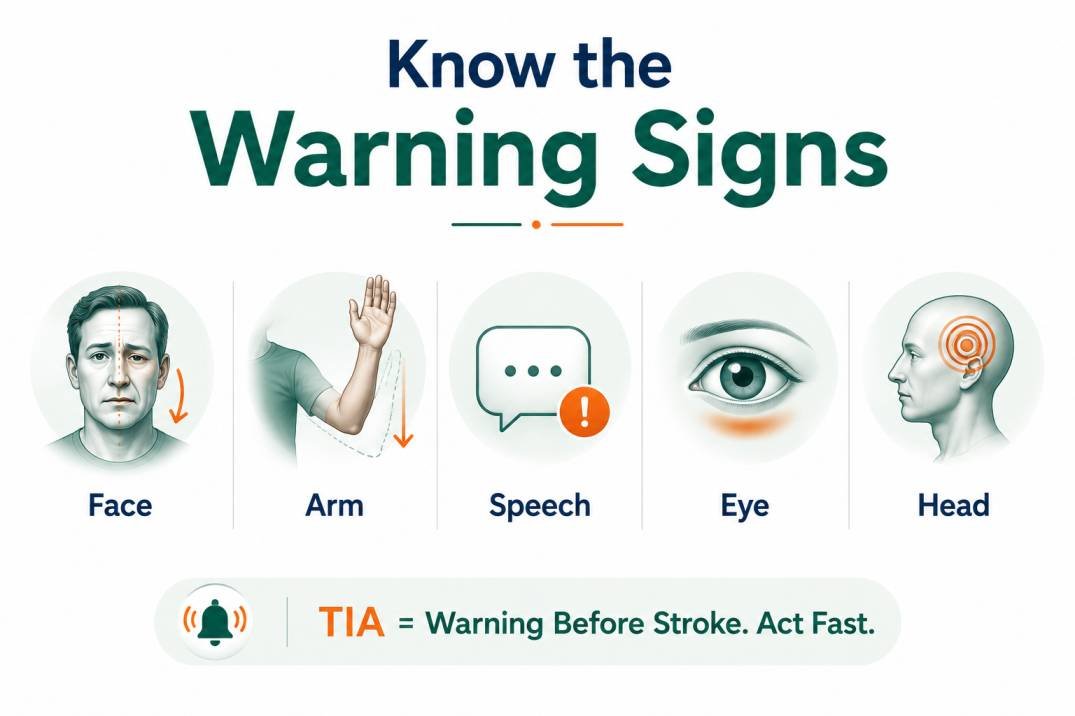
If any of these appear, seek emergency care immediately, even if symptoms resolve.
What Causes a TIA?
TIA is caused by a temporary blockage of blood flow to the brain. The two most common mechanisms are blood clots travelling to brain arteries (often from the heart or carotid artery) and atherosclerosis, narrowing of arteries due to plaque build-up.
Key transient ischemic attack risk factors include:
- Uncontrolled high blood pressure
- Atrial fibrillation
- Diabetes
- High cholesterol
- Smoking
- Obesity
- Previous TIA or stroke
Patients with Carotid Artery Disease are at particularly elevated risk.
TIA Diagnosis in Delhi
Accurate diagnosis after a TIA requires urgent evaluation to identify the cause and prevent a stroke. Dr. Vikas Gupta uses a structured diagnostic approach:
- MRI Brain (with DWI): Detects any early or subtle brain changes and rules out a completed stroke.
- CT Scan: Identifies bleeding or structural abnormalities quickly in emergency settings.
- Carotid Doppler Ultrasound: Evaluates plaque or narrowing in the neck arteries supplying the brain.
- Echocardiography: Checks for cardiac sources of clots, particularly in patients with atrial fibrillation.
- Digital Subtraction Angiography (DSA): Used selectively for detailed vascular mapping when interventional treatment is being considered.
- Blood Tests: Assess blood sugar, lipid profile, clotting factors, and inflammatory markers.
Alt text: Infographic showing TIA warning signs and stroke risk factors File name: tia-warning-signs-risk-factors-infographic-dr-vikas-gupta.png
Transient Ischemic Attack Treatment in Delhi: Preventing the Next Stroke
TIA treatment focuses on identifying the underlying cause and acting fast to prevent a full stroke. Treatment is personalised based on diagnosis findings.
Antiplatelet and Anticoagulant Medications: Aspirin, clopidogrel, or dual antiplatelet therapy are initiated promptly to prevent clot formation. Anticoagulants such as apixaban or rivaroxaban are used when atrial fibrillation is identified as the cause.
Blood Pressure and Cholesterol Management: Controlling hypertension and LDL cholesterol with medications, dietary changes, and lifestyle modification is a cornerstone of secondary stroke prevention.
Carotid Artery Intervention: When TIA is caused by significant narrowing of the carotid artery, surgical or endovascular treatment may be recommended. Options include:
- Carotid Artery Stenting, a minimally invasive procedure to open the narrowed vessel, or carotid endarterectomy. Patients with carotid artery disease benefit significantly from timely intervention.
- Thrombectomy: In cases where a TIA progresses or suggests large vessel involvement, Thrombectomy for Stroke may be considered as part of acute management.
- Cardiac Management: Atrial fibrillation detected on evaluation requires anticoagulation therapy and, in some cases, cardiology co-management.
Lifestyle Modifications: Quitting smoking, regular physical activity, blood sugar control, and a heart-healthy diet significantly reduce recurrence risk.
TIA vs Stroke: Key Differences
A TIA (Transient Ischemic Attack) is a temporary blockage of blood flow to the brain that resolves without permanent brain damage, while a stroke causes prolonged loss of blood supply, resulting in permanent brain injury. Key differences include:
| Feature | TIA | Stroke |
| Duration of Symptoms | Minutes to hours (< 24 hrs) | Persists beyond 24 hours |
| Permanent Brain Damage | No | Yes |
| Emergency? | Yes | Yes |
| Stroke Risk After Event | High (especially in 48 hrs) | Already occurred |
| Treatment Goal | Prevent stroke | Limit damage + prevent recurrence |
Why Patients Choose Dr. Vikas Gupta for TIA Treatment in Delhi?
Patients from East Delhi, Karkardooma, Anand Vihar, Delhi NCR, and neighbouring regions consult Dr. Vikas Gupta for transient ischemic attack (TIA) evaluation because of his combined expertise in neurosurgery and neurointerventional care.
This integrated approach enables comprehensive management, from identifying the underlying cause of TIA to preventing future strokes through advanced medical and endovascular treatment when required.
- 30+ years of neurosurgical and neurovascular experience, managing patients with stroke, TIA, cerebrovascular disease, and other complex neurological conditions.
- Expertise in interventional neuroradiology and endovascular stroke care, offering advanced minimally invasive treatment options for selected patients with narrowed or blocked brain-supplying arteries.
- Personalised stroke prevention planning, with treatment tailored according to imaging findings, vascular risk factors, medical history, and the likely cause of the TIA.
- Comprehensive neurological evaluation, including detailed assessment of brain imaging, carotid and intracranial circulation, and associated cardiovascular risk factors.
- Advanced hospital infrastructure, with access to high-resolution neuroimaging, dedicated neuro-ICU facilities, and multidisciplinary stroke care at Kailash Deepak Hospital, Karkardooma.
Book a Consultation for TIA Treatment in Delhi
A transient ischemic attack is a medical emergency and should never be ignored. Prompt evaluation, ideally within the first 24-48 hours, can significantly reduce the risk of a disabling stroke. Dr. Vikas Gupta provides urgent neurological consultations for patients with suspected TIA, along with a comprehensive evaluation and an individualised stroke prevention plan.
During your consultation, you will receive:
- Review of MRI brain, CT scan, vascular imaging, and other investigation reports
- Identification of the likely cause of the transient ischemic attack
- Comprehensive assessment of your future stroke risk
- Personalised treatment plan, including medications, lifestyle modification, and interventional options where indicated
- Clear follow-up schedule with ongoing monitoring and risk-factor management
If you experience sudden weakness, numbness, difficulty speaking, vision loss, or other stroke-like symptoms, even if they resolve within minutes, seek emergency medical attention immediately. Early treatment can help prevent a major stroke.
Frequently Asked Questions
Is a TIA a medical emergency? expand_more
Yes. A TIA is a medical emergency. Although symptoms resolve on their own, TIA indicates a high, immediate risk of stroke and requires urgent evaluation and treatment.
Can TIA recur or lead to a full stroke? expand_more
Yes. Without treatment, approximately 10-15% of TIA patients experience a stroke within 90 days. Timely treatment significantly reduces this risk.
Is surgery needed after a TIA? expand_more
Not always. Most TIAs are managed with medication and lifestyle changes. However, if significant carotid artery narrowing is identified, carotid stenting or surgical intervention may be recommended.
How can I book an appointment with Dr. Vikas Gupta? expand_more
You can book an appointment with Dr. Vikas Gupta by contacting us directly, using our online appointment booking facilities, available on this website.
How can I book an appointment at Kailash Deepak Hospital? expand_more
You can book an appointment at Kailash Deepak Hospital by calling the hospital reception directly or using the online appointment booking facility on the hospital's website.

Dr. Vikas Gupta’s Medical Content Team
Dr. Vikas Gupta’s medical content team specialises in creating accurate, clear, and patient-focused healthcare content. With strong clinical understanding and expertise in technical writing and SEO, the team translates complex medical information into reliable, accessible resources that support informed decisions and uphold Dr. Gupta’s commitment to quality care.
This content is reviewed by Dr. Vikas Gupta
 WhatsApp