
Brain Tumor Treatment in Delhi
A brain tumour is an abnormal growth of cells within the brain or central nervous system. Brain tumours can be benign (non-cancerous) or malignant (cancerous), and their impact depends on their size, location, and growth rate.
Early diagnosis and appropriate treatment are crucial for effectively managing brain tumours. Symptoms may include persistent headaches, seizures, vision problems, balance difficulties, cognitive changes, or neurological deficits.
Dr. Vikas Gupta, a senior consultant neurosurgeon and neurointerventionalist at Kailash Deepak Hospital, provides comprehensive brain tumour treatment in Delhi using advanced surgical techniques, neuro-navigation systems, and a multidisciplinary approach to patient care.
Reach Out for Expert Care
Types of Brain Tumours
Brain tumours are classified based on their origin, cell type, and behaviour.
Primary Brain Tumours
These originate in the brain tissue itself.
- Gliomas: Including astrocytomas, oligodendrogliomas, and glioblastomas
- Meningiomas: Arising from the meninges (brain coverings)
- Pituitary Adenomas: Tumours of the pituitary gland
- Acoustic Neuromas: Affecting the hearing and balance nerves
- Medulloblastomas: More common in children
- Craniopharyngiomas: Near the pituitary gland
- Ependymomas: Arising from the ventricular lining
Secondary Brain Tumours (Metastases)
These spread to the brain from cancers elsewhere in the body, such as lung, breast, kidney, or melanoma.
Benign vs Malignant Tumours
- Benign tumours: Slow-growing, well-defined borders, do not spread to other parts
- Malignant tumours: Faster-growing, invasive, may spread within the central nervous system
Dr. Vikas Gupta provides expert evaluation to determine the tumour type and appropriate treatment strategy.
Critical Warning Signs: When to See a Neurosurgeon Immediately
Consult a specialist if you experience:
- Persistent or worsening headaches, especially in the morning
- New onset seizures or fits
- Vision problems (blurred vision, double vision, loss of peripheral vision)
- Hearing loss or ringing in the ears
- Balance and coordination difficulties
- Weakness or numbness in arms or legs
- Speech or language difficulties
- Memory problems or cognitive changes
- Personality or behaviour changes
- Nausea and vomiting
- Difficulty walking or maintaining balance
If you experience any of these symptoms persistently, consult a neurosurgeon for proper evaluation.
Diagnostic Tests for Brain Tumours
Accurate diagnosis is essential for planning appropriate treatment.
Neurological Examination
Comprehensive assessment of vision, hearing, balance, coordination, strength, reflexes, and cognitive function.
Imaging Studies
- MRI Brain with Contrast: Gold standard for brain tumour diagnosis; provides detailed images of tumour size, location, and characteristics
- CT Scan Brain: Quick imaging for initial assessment, especially in emergency situations
- MRI Spectroscopy: Helps differentiate between tumour types
- Functional MRI (fMRI): Maps critical brain areas like speech and movement centres
- PET Scan: Evaluates tumour metabolism and activity
Tissue Diagnosis
- Stereotactic Biopsy: Minimally invasive procedure to obtain tissue sample for pathological analysis
- Surgical Excision with Histopathology: Tumour removal with detailed laboratory examination
Blood Tests
Tumour markers and hormone levels (especially for pituitary tumours).
These investigations help Dr. Vikas Gupta develop a personalised treatment plan for each patient.
Brain Tumour Treatment Options in Delhi
These are the top brain tumour treatment options in Delhi, offering advanced and effective surgical care.
Surgical Treatment
Surgery remains the primary treatment for most accessible brain tumours.
Craniotomy and Tumour Excision
- Complete or maximum safe removal of the tumour
- Performed using advanced microsurgical techniques
- Neuro-navigation systems for precise localisation
- Intraoperative monitoring to protect critical brain functions
- Minimally invasive approaches when appropriate
Stereotactic Biopsy
For deep-seated or inaccessible tumours, a small tissue sample is obtained for diagnosis without major surgery.
Awake Craniotomy
For tumours near critical brain areas (speech, movement), surgery is performed whilst the patient is awake to monitor and preserve these functions.
Non-Surgical Treatments
Radiotherapy
- External beam radiation therapy
- Stereotactic radiosurgery (Gamma Knife, CyberKnife)
- Used for inoperable tumours or as adjuvant treatment post-surgery
Chemotherapy
Medications to destroy cancer cells, often used in combination with surgery and radiotherapy for malignant tumours.
Targeted Therapy
Drugs that target specific molecular abnormalities in tumour cells.
Hormone Therapy
For certain pituitary tumours that respond to hormonal management.
Multidisciplinary Approach
Dr. Vikas Gupta works closely with neuro-oncologists, radiation oncologists, pathologists, and rehabilitation specialists to provide comprehensive care.
Brain Tumour Surgery Procedure in Delhi
Brain tumour surgery is a carefully planned treatment process that includes detailed preparation before the operation, precise tumour removal during surgery, and close monitoring and recovery care afterwards to ensure the best possible outcome and safety for the patient.
Before Surgery
- Detailed pre-operative assessment and investigations
- Anaesthetic consultation
- Discussion of risks, benefits, and expected outcomes
- Informed consent
- Pre-operative imaging and planning
During Surgery
- General anaesthesia (or awake sedation for awake craniotomy)
- Positioning and securing the head
- Scalp incision and bone removal (craniotomy)
- Opening of the protective brain coverings (dura)
- Tumour localisation using navigation and imaging
- Careful tumour removal using microsurgical instruments
- Haemostasis (controlling bleeding)
- Closure of dura, replacement of bone, and skin closure
- Duration: 3-8 hours, depending on tumour complexity
After Surgery
- Recovery in the intensive care unit or high-dependency unit
- Neurological monitoring
- Post-operative imaging to assess tumour removal
- Gradual mobilisation
- Hospital stay: typically 5-10 days
- Histopathology results available within 7-10 days
Recovery After Brain Tumour Surgery in Delhi
Recovery varies based on tumour location, size, and individual patient factors.
Immediate Post-Operative Period
- Close neurological monitoring in ICU/HDU
- Pain management
- Prevention of complications (infection, bleeding, swelling)
- Early physiotherapy and mobilisation
Hospital Stay
- Most patients remain hospitalised for 5–10 days
- Suture or staple removal before discharge
- Post-operative MRI to assess surgical results
At Home Recovery
- Gradual increase in activities
- Avoid heavy lifting, straining, or strenuous activities initially
- Wound care and hygiene
- Medication compliance (anti-seizure medications, steroids if prescribed)
- Follow-up appointments for wound check and histopathology results
Rehabilitation
Depending on neurological deficits, patients may require:
- Physiotherapy for strength and mobility
- Speech therapy for language difficulties
- Occupational therapy for daily living skills
- Cognitive rehabilitation for memory and thinking
Return to Normal Activities
- Light activities: 2-4 weeks
- Driving: typically after 6–12 weeks (with medical clearance and if seizure-free)
- Work: 6-12 weeks, depending on occupation and recovery
- Physical exercise: gradual resumption as advised
Dr. Vikas Gupta provides individualised recovery plans and ongoing support throughout the healing process.
Cost of Brain Tumour Surgery in Delhi
The cost of brain tumour treatment in Delhi ranges from ₹1.5 lakh to ₹8 lakh or more, based on several factors:
- Type and complexity of surgery
- Duration of hospital stay
- ICU/HDU requirements
- Investigations and imaging studies
- Post-operative care and monitoring
- Need for additional treatments (radiotherapy, chemotherapy)
- Rehabilitation services
A detailed cost estimate is provided during your initial consultation. Patients are encouraged to enquire about insurance coverage and available payment plans.
Why Choose Dr. Vikas Gupta for Brain Tumour Treatment in Delhi?
Choosing the right neurosurgeon is crucial for safe surgery, faster recovery, and long-term outcomes. Here’s why patients trust Dr. Vikas Gupta for brain tumour surgery in Delhi.
- Three Decades of Expertise: 30+ years in neurosurgery with 5,000+ successful procedures
- Comprehensive Surgical Skills: Traditional and minimally invasive techniques
- Patient-First Philosophy: Clear communication and personalised treatment plans
- Strong Track Record: High success with minimally invasive procedures
- Locally Trusted: Highly regarded across Karkardooma, East Delhi, and Delhi NCR
Book a Consultation for Brain Tumour Treatment
If you or a loved one has been diagnosed with a brain tumour or is experiencing concerning neurological symptoms, you may consult Dr. Vikas Gupta for expert evaluation and personalised treatment recommendations.
During Your Consultation
- Detailed review of symptoms and medical history
- Comprehensive neurological examination
- Review of imaging studies (MRI, CT scans)
- Discussion of diagnosis and treatment options
- Explanation of the surgical approach if recommended
- Answers to all your questions and concerns
- Transparent discussion regarding treatment plan and costs
Early consultation can lead to better outcomes. Book your appointment today for expert brain tumour care in Delhi.

Dr. Vikas Gupta’s Medical Content Team
Dr. Vikas Gupta’s medical content team specialises in creating accurate, clear, and patient-focused healthcare content. With strong clinical understanding and expertise in technical writing and SEO, the team translates complex medical information into reliable, accessible resources that support informed decisions and uphold Dr. Gupta’s commitment to quality care.
This content is reviewed by Dr. Vikas Gupta
Related Conditions

Neuroblastoma Treatment in Delhi
Every parent’s worst nightmare is hearing the words “your child has cancer”. Neuroblastoma, one of the most complex childhood cancers,…

Brain Tumour Surgery in Karkardooma
A brain tumour diagnosis can be overwhelming for patients and their families. Access to experienced neurosurgeons, advanced diagnostic facilities, and…
Meningioma Treatment in Delhi
A meningioma is a tumour that arises from the meninges, the protective membranes covering the brain and spinal cord. Meningiomas…
Related Blogs
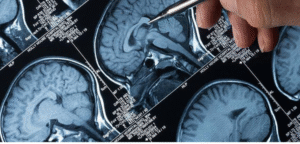
From Diagnosis to Treatment: What Role Does Neuro-Oncology Play in Enhancing Patient Outcomes?
According to the World Health Organization (WHO), primary brain tumors account for approximately 2% of…
Read Article →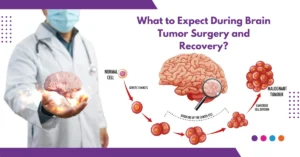
What to Expect After Brain Tumor Surgery: A Guide to Recovery
Brain tumor surgery is a surgical procedure to remove a tumor or part of a…
Read Article →
What Are The Postoperative Steps After Brain Tumor Surgery?
In 2023, an estimated 24,810 adults (14,280 men and 10,530 women) in the United States…
Read Article → WhatsApp