Targeted Therapies for Brain Tumours in Delhi
Brain tumours, characterised by abnormal growths within the brain, present a complex challenge in medical treatment. Advances in targeted therapies have significantly improved the management of these tumours, offering new hope for patients. This blog explores the latest advancements in targeted therapies for brain tumours, addressing common symptoms and costs associated with these treatments.
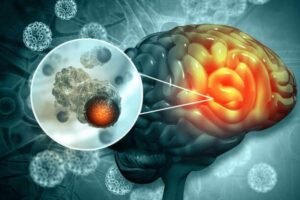
Brain tumours are abnormal growths of cells within the brain or surrounding tissues. They can be benign (non-cancerous) or malignant (cancerous). Tumours can originate in the brain (primary brain tumours) or spread from other parts of the body (secondary or metastatic brain tumours).
Reach Out for Expert Care
What Are Brain Tumour Symptoms?
Symptoms and severity depend on the tumour’s type, size, location, and growth rate, and they can impact brain function by pressing on or invading surrounding areas. Understanding the symptoms of brain tumours is crucial for early detection and effective treatment. Common symptoms include:
- Headaches: Persistent or worsening headaches that may be more intense in the morning.
- Nausea and Vomiting: Frequent nausea or vomiting, particularly if it occurs in the morning.
- Seizures: New-onset seizures or convulsions can be a sign of a brain tumour.
- Vision or Hearing Changes: Blurred vision, double vision, or hearing loss.
- Cognitive or Behavioral Changes: Memory problems, confusion, or personality changes.
- Weakness or Numbness: Difficulty moving parts of the body or experiencing numbness in limbs.
- Balance and Coordination Problems: Difficulty walking, balance, or coordination.
“Recognizing the early signs of a brain tumour is vital,” says Dr. Vikas Gupta. “Prompt diagnosis and targeted treatment can greatly improve patient outcomes and quality of life.”
How Do Targeted Therapies Work for Brain Tumours?
Targeted therapies aim to specifically attack cancer cells while minimising damage to surrounding healthy tissue. Recent advancements include:
- Molecular Targeted Drugs: New drugs focus on specific genetic mutations and pathways involved in brain tumour growth. For instance, drugs targeting the EGFR (epidermal growth factor receptor) mutation have shown promise in treating glioblastomas.
- Monoclonal Antibodies: These are engineered to bind to cancer cells, marking them for destruction by the immune system. Drugs like bevacizumab, which targets blood vessel growth in tumours, are examples.
- Immune Checkpoint Inhibitors: These therapies help the immune system recognise and attack brain tumour cells more effectively.
- Personalised Vaccines: Custom vaccines designed to stimulate the body’s immune response against specific tumour antigens are an exciting area of research.
Patients who have undergone these treatments have shared encouraging feedback. One patient, Anita, shared, “I never thought I’d feel hopeful again after my diagnosis. But the new targeted therapies, specially tailored for my condition, have made a world of difference.”
What are the Newest Technologies in Targeted Therapy for Brain Tumours?
Recent technological advancements enhancing targeted therapies include:
- Next-Generation Sequencing (NGS): NGS allows for comprehensive genetic profiling of tumours, identifying specific mutations and guiding personalised treatment plans.
- Tumour-Tracking Technologies: Advanced imaging and tracking methods help monitor the effectiveness of targeted therapies in real time.
- Biomarker Discovery: Research into biomarkers helps in predicting treatment response and tailoring therapies to individual patients.
“The integration of new technologies such as Next-Generation Sequencing and tumour-tracking has revolutionised the way we approach brain tumours,” Dr. Gupta explains. “These innovations allow for highly personalised treatment plans that are more effective and less harmful than traditional methods.
How Effective Are These New Treatments?
The effectiveness of targeted therapies varies based on the tumour type, genetic profile, and overall patient health. Recent studies have shown improved survival rates and quality of life for patients with targeted therapies compared to traditional treatments. However, ongoing research and clinical trials continue to refine these approaches.
What Is the Cost of Targeted Therapies for Brain Tumours in India?
The cost of targeted therapies for brain tumours in India varies based on tumour type, molecular profile, selected targeted drug, treatment duration, and clinical response. Targeted treatment options such as molecular-targeted agents, monoclonal antibodies, and selected immunotherapies may cost approximately ₹2,00,000 to ₹10,00,000 per year, depending on the specific medication, dosage, and length of therapy advised by the treating specialist.
Additional factors such as molecular and genetic testing, periodic imaging, laboratory monitoring, and supportive care can further influence the overall cost. All treatment decisions are guided strictly by medical indication and evidence-based protocols, and patients are encouraged to discuss expected benefits, duration, and insurance coverage with their healthcare provider for transparent and ethical care planning.
Conclusion
In conclusion, the field of targeted therapies for brain tumours is rapidly advancing, offering promising new treatments and technologies that significantly enhance patient care. With innovations such as Next-Generation Sequencing, tumour-tracking technologies, and personalised vaccines, patients now have access to more precise and effective treatment options than ever before. These advancements are improving diagnosis, treatment efficacy, and overall patient outcomes while also aiming to reduce side effects and better manage costs.
As research continues to evolve, these therapies are expected to provide even greater benefits. Early detection and personalised treatment plans are crucial for better-managing brain tumours. Patients are encouraged to stay informed about the latest advancements and discuss their treatment options with healthcare professionals to achieve the best possible results.

Dr. Vikas Gupta’s Medical Content Team
Dr. Vikas Gupta’s medical content team specialises in creating accurate, clear, and patient-focused healthcare content. With strong clinical understanding and expertise in technical writing and SEO, the team translates complex medical information into reliable, accessible resources that support informed decisions and uphold Dr. Gupta’s commitment to quality care.
This content is reviewed by Dr. Vikas Gupta
Related Blogs
 WhatsApp