
Stroke Treatment in Delhi
A stroke occurs when the blood supply to part of the brain is suddenly interrupted. Every minute without treatment, approximately 1.9 million brain cells are lost, making it one of the most time-critical medical emergencies.
Delhi and the wider NCR region carry one of the highest stroke burdens in the country, driven by hypertension, diabetes, and urban lifestyle factors. Recognising the warning signs and reaching a specialist centre without delay can make a huge difference to recovery.
Dr. Vikas Gupta, Senior Consultant Neurosurgeon and Neurointerventionalist at Kailash Deepak Hospital, Delhi, provides specialist evaluation and surgical management for stroke, applying advanced neurointerventional expertise, including emergency mechanical thrombectomy, to deliver the best realistic outcome for each patient’s specific condition and timing of presentation.
Reach Out for Expert Care
What is a stroke?
A stroke happens when blood flow to an area of the brain is cut off, either by a blockage or a bleed, causing brain cells to begin dying rapidly. The type of stroke determines the treatment pathway, which is why urgent imaging is the first step in management.
A transient ischaemic attack (TIA), sometimes called a mini-stroke, produces similar symptoms that resolve within 24 hours. A TIA is a serious warning sign that a full stroke may follow and must be assessed urgently by a specialist.
In urban India, there are approximately 150 strokes per 100,000 people each year. There is a critical window of about 4.5 hours after symptom onset for clot-dissolving treatment, while mechanical thrombectomy may be possible for selected patients within up to 24 hours.
Recognise a stroke – use the FAST test
If you suspect someone is having a stroke, act on the FAST signs immediately. Do not wait to see whether symptoms improve on their own.
- Face drooping (F): One of the most common stroke symptoms is facial drooping, where one side of the face may appear uneven, numb, or unable to move properly when smiling or speaking.
- Arm weakness (A): Another key sign of stroke is sudden arm weakness, in which the person may be unable to raise both arms evenly or have one arm drift downward.
- Speech difficulty (S): Stroke can affect speech, causing slurred speech, confusion, or difficulty with simple sentence comprehension.
- Time to act (T): If any of these symptoms are noticed, seek emergency medical help immediately to reduce the risk of permanent brain damage.
Other stroke symptoms (as presented by many patients) may include:
- Sudden severe headache with no apparent cause
- Sudden loss of vision in one or both eyes
- Sudden dizziness or sudden confusion
- Loss of balance
Note the exact time symptoms began; this information is critical for your treatment.
Types of stroke
Understanding which type of stroke a patient has had is essential, as treatment pathways differ significantly. Urgent brain imaging confirms the type before any treatment is started.
Ischaemic stroke (Most common)
- Caused by a blood clot blocking an artery supplying the brain
- Treated with thrombolysis (clot-dissolving medicine) and/or mechanical thrombectomy
- Time is the single most critical factor
- Risk factors include atrial fibrillation, hypertension, and diabetes
Haemorrhagic stroke (Less common)
- Caused by a ruptured blood vessel bleeding into or around the brain
- Treatment focuses on controlling bleeding and reducing brain pressure
- Surgery may be required in certain cases
- Strongly associated with uncontrolled high blood pressure
Stroke Care in Delhi
Dr. Vikas Gupta follows a rapid, structured approach to ensure every stroke patient receives the right treatment at the right time. Each plan is tailored to the type of stroke, the time since symptom onset, and the patient’s overall condition.
- Emergency assessment and brain scan: On arrival, the patient is examined immediately, and the time of symptom onset is recorded. A CT or MRI scan is done urgently to confirm the type of stroke and guide treatment.
- Clot-dissolving treatment (if suitable): For ischaemic stroke, a clot-busting injection (tPA) may be given within 4.5 hours of symptom onset, if the patient is eligible.
- Mechanical thrombectomy (if suitable): A minimally invasive procedure to remove the clot using a catheter. In selected cases, it can be done up to 24 hours after symptoms begin and can significantly improve recovery. This procedure is one of the most significant advances in acute stroke care in recent years.
- Treatment for bleeding stroke: If the stroke is due to bleeding, treatment may include draining the clot, repairing an aneurysm (clipping or coiling), or reducing brain pressure, depending on the patient’s condition.
- Stroke unit care and rehabilitation: After initial treatment, patients receive monitored care along with physiotherapy, speech therapy, and rehabilitation. A prevention plan is also created to reduce the risk of another stroke.
Recovery and rehabilitation after stroke
Recovery depends on the severity of the stroke, the area of the brain affected, and how quickly treatment was received. With timely care, many patients make significant functional gains. Different stages of recovery after stroke include:
- Acute phase: Days 1 to 7. Monitored stroke unit care, medical stabilisation, and early mobilisation where safe to do so.
- Early rehab: Weeks 1 to 4. Physiotherapy, speech and language therapy, and occupational therapy to restore function and independence.
- Long-term recovery: Months 1 to 6 or more. Ongoing rehabilitation with secondary prevention, medicines, lifestyle changes, and regular follow-up to reduce recurrence risk.
Cost of stroke treatment in Delhi
The cost of stroke treatment in Delhi varies considerably depending on the type of stroke, the treatment required, and the duration of hospital stay.
| Stroke Treatment in Delhi | Estimated Cost (INR) |
| Medical management (thrombolysis) | ₹50,000 – ₹1,50,000 |
| Mechanical thrombectomy | ₹2,20,000 – ₹3,00,000 |
| Haemorrhagic stroke surgery | ₹2,20,000 – ₹3,00,000 |
| Rehabilitation and follow-up | As per the individual care plan |
Note: The cost of stroke treatment in Delhi varies depending on the type of stroke, the required treatment, and the length of hospital stay. Stroke is a medical emergency, and treatment begins immediately without delay for financial formalities. A detailed and transparent cost estimate is usually provided once the patient is stabilised.
Why do patients trust Dr. Vikas Gupta for stroke treatment in Delhi?
When a stroke occurs, the treating specialist’s experience and capabilities directly influence outcomes. Patients and families across Delhi NCR rely on Dr. Vikas Gupta because of:
- 30+ Years of Neurosurgical Experience
- Expertise in both ischaemic and haemorrhagic stroke, including surgical management of ruptured aneurysms
- Strong focus on accurate diagnosis and evidence-based treatment
- Rapid, structured treatment pathway from emergency assessment through to rehabilitation and secondary prevention
- Personalised treatment planning tailored to each patient’s condition
- Trusted name in spine and neurological care across East Delhi and Delhi NCR
- Clear, compassionate communication with patients and families at every stage of care
Book a consultation for stroke treatment in Delhi
If you or a family member has experienced a stroke or TIA, early specialist assessment is essential, both for acute treatment and to prevent a further event. Dr. Vikas Gupta also offers planned consultations for stroke risk assessment and secondary prevention.
During your consultation, Dr. Vikas Gupta will provide:
- Detailed review of symptoms, medical history, and stroke risk factors
- Comprehensive neurological examination
- Assessment of existing brain imaging reports (CT / MRI)
- Clear explanation of treatment or prevention options
- A personalised secondary prevention plan to reduce recurrence risk
- Transparent discussion about recovery outlook and costs
You may consult Dr. Vikas Gupta for a detailed stroke evaluation and personalised treatment plan. Early assessment can significantly improve outcomes and expand treatment options. Book your appointment today for expert stroke care in Delhi.
Frequently Asked Questions
What is the golden hour for stroke treatment? expand_more
The “golden hour” is the critical time after a stroke when treatment is most effective. Thrombolysis is most effective within 4.5 hours, while selected patients may undergo thrombectomy up to 24 hours. Early action on FAST signs can significantly improve outcomes.
Can a stroke be prevented after a TIA or first stroke? expand_more
Yes, preventing another stroke is a key part of care. Stroke prevention focuses on treating the cause and controlling risk factors with medication and lifestyle changes, tailored to each patient.
How common are silent strokes? expand_more
They are far more common than most people realise. Research suggests silent strokes occur up to five times more often than symptomatic strokes, and by age 70, about one in four people may have evidence of one on brain imaging.
How can I book an appointment with Dr. Vikas Gupta? expand_more
To book a consultation with Dr. Vikas Gupta, you can contact Neurological Hall or Kailash Deepak Hospital, Karkardooma, directly by phone or via the appointment booking form on this website.
How can I book an appointment at Kailash Deepak Hospital? expand_more
Appointments at Kailash Deepak Hospital can be scheduled by calling the hospital reception or through the online booking facility on the hospital's website.

Dr. Vikas Gupta’s Medical Content Team
Dr. Vikas Gupta’s medical content team specialises in creating accurate, clear, and patient-focused healthcare content. With strong clinical understanding and expertise in technical writing and SEO, the team translates complex medical information into reliable, accessible resources that support informed decisions and uphold Dr. Gupta’s commitment to quality care.
This content is reviewed by Dr. Vikas Gupta
Related Conditions
Related Blogs
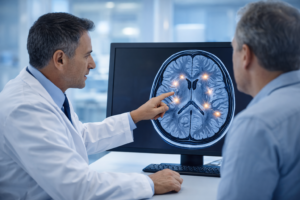
Silent Stroke: The Hidden Brain Damage Many People Miss
When people hear the word stroke, they usually imagine a sudden and dramatic medical emergency, someone…
Read Article →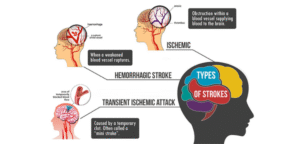
Understanding Different Types of Strokes: Its Symptoms and Causes
A stroke, or cerebrovascular accident, is a medical emergency that occurs when the brain’s blood…
Read Article →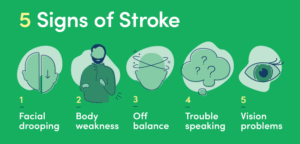
What are the 5 warning signs of stroke?
Stroke, a devastating cerebrovascular event, poses a significant global health challenge. Often called a “brain…
Read Article → WhatsApp