
Skull Base Tumour Treatment in Delhi: Symptoms, Causes & Expert Care
Skull base tumours are abnormal growths located at the base of the skull, where the brain meets the spine. These tumours can originate from various structures, including the meninges (protective membranes around the brain), cranial nerves, or even the brain itself. Their location makes them particularly challenging to diagnose and treat, as they may affect vital structures like the brainstem and cranial nerves, leading to a range of neurological symptoms.
These tumours are relatively rare, accounting for about 1-5% of all brain tumours. The most common types include meningiomas, which represent approximately 36% of primary brain tumours, and schwannomas, which comprise about 8%. These tumours are most frequently diagnosed in adults aged 40 to 70, particularly affecting women in their 40s to 60s.
Dr. Vikas Gupta states, “Addressing skull base tumours requires a comprehensive strategy; timely diagnosis and advanced treatment options are essential to minimise neurological risks and enhance the quality of life for our patients.”
Reach Out for Expert Care
What Are the Symptoms of Skull Base Tumours?
Symptoms of skull base tumours can vary widely depending on the tumour’s size and location. Common symptoms include:
- Headaches: Persistent or severe headaches that may worsen over time.
- Vision Changes: Blurred or double vision due to pressure on the optic nerves.
- Hearing Loss: Impaired hearing or tinnitus (ringing in the ears).
- Facial Weakness: Numbness or weakness in the face, which can occur if the tumour compresses facial nerves.
- Balance Issues: Difficulty with coordination and balance is often caused by pressure on the brain stem.
Recognising these symptoms early can lead to timely diagnosis and treatment.
Maria, one of Dr. Vikas’s patients, shared her experience: “After struggling with persistent headaches and balance issues, I finally got the diagnosis of a skull base tumours. The surgical team led by Dr. Gupta provided me with clarity and hope. I’m grateful for their expertise and support during my recovery.”
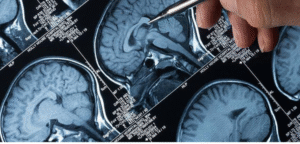
How Are Skull Base Tumours Diagnosed Using Radiology?
Radiology plays a crucial role in the diagnosis of skull base tumours. Advanced imaging techniques, such as:
- MRI (Magnetic Resonance Imaging): Provides detailed images of soft tissues, allowing for precise localisation of tumours.
- CT (Computed Tomography) Scans: Offers clear images of bone structures and can help detect the extent of the tumour.
- Angiography: Assesses blood vessels in the area, which can provide insights into the tumour’s blood supply and behaviour.
These imaging techniques are essential for developing an effective treatment plan and monitoring tumour progression.
Are Skull Base Tumours Common in Pediatric Patients?
Yes, skull base tumours can occur in paediatric patients, although they are relatively rare. In children, these tumours may be linked to genetic conditions, such as neurofibromatosis or Li-Fraumeni syndrome. Symptoms in children can be similar to those in adults, including headaches, vision changes, and neurological deficits. Early detection and intervention are critical, as treatment strategies may differ from those used in adults.
What Surgical Procedures Are Used to Treat Skull Base Tumours?
Surgery is often the primary treatment for skull base tumours, and several approaches may be employed, including:
- Transnasal Endoscopic Surgery: A minimally invasive technique that allows surgeons to access the skull base through the nasal passages.
- Craniotomy: A more invasive approach where a section of the skull is removed to access the tumour directly.
- Stereotactic Radiosurgery: A non-invasive option that delivers targeted radiation to the tumour while minimising damage to surrounding tissues.
The choice of procedure depends on factors such as tumour size, location, and the patient’s patient’s overall health.
What Is the Recovery Time After Skull Base Surgery?
Recovery time after skull base surgery can vary significantly based on the complexity of the procedure and the individual’s health. Generally, patients can expect:
- Hospital Stay: Between 6 weeks to 3 months, depending on the surgery performed.
- Initial Recovery: Patients may experience fatigue, headache, and nausea for several days post-surgery.
- Full Recovery: Full recovery may take weeks to months, during which time follow-up appointments and rehabilitation may be necessary to address any neurological deficits.
Conclusion
Skull-base tumours pose unique challenges in diagnosis and treatment due to their complex location and potential impact on critical brain structures. Advances in radiology and surgical techniques have significantly improved patient outcomes. Awareness of symptoms and timely intervention are crucial for managing these tumours effectively, ultimately leading to better patient care and quality of life.

Dr. Vikas Gupta’s Medical Content Team
Dr. Vikas Gupta’s medical content team specialises in creating accurate, clear, and patient-focused healthcare content. With strong clinical understanding and expertise in technical writing and SEO, the team translates complex medical information into reliable, accessible resources that support informed decisions and uphold Dr. Gupta’s commitment to quality care.
This content is reviewed by Dr. Vikas Gupta
Related Blogs
From Diagnosis to Treatment: What Role Does Neuro-Oncology Play in Enhancing Patient Outcomes?
According to the World Health Organization (WHO), primary brain tumors account for approximately 2% of…
Read Article →

 WhatsApp