
Brain AVM Treatment in Delhi
A brain arteriovenous malformation (AVM) is an uncommon condition, usually present from birth, in which abnormal blood vessels form a complex network that connects arteries directly to veins without the normal capillary system. This disrupts healthy blood circulation and increases the risk of serious complications, including bleeding within the brain. Although it develops before birth, it is most commonly diagnosed in children and young adults, typically between 10 and 40 years of age.
With over 30 years of neurosurgical experience, Dr. Vikas Gupta, Senior Consultant Neurosurgeon and Neurointerventional Specialist at Kailash Deepak Hospital, Delhi, provides advanced and personalised Brain AVM treatment in Delhi using microsurgery, endovascular techniques, and stereotactic radiosurgery. Each case is carefully evaluated to determine the safest and most effective treatment approach.
Reach Out for Expert Care
Causes of Brain AVM
The exact cause of a brain arteriovenous malformation (AVM) is not fully understood. In most cases, it develops before birth due to abnormal formation of blood vessels during early brain development.
Possible Causes and Contributing Factors:
- Congenital origin: Most brain AVMs are present at birth, although they may not cause symptoms until later in life.
- Abnormal vascular development: Blood vessels may not form properly during fetal growth, leading to direct artery-to-vein connections.
- Genetic conditions (rare): In uncommon cases, AVMs may be associated with inherited disorders such as hereditary hemorrhagic telangiectasia (HHT).
- No lifestyle link: Brain AVMs are not caused by diet, stress, injury, or routine physical activity.
For most patients, there is no identifiable trigger or preventable cause.
Brain AVM Grading System (Spetzler-Martin System)
Brain AVMs are graded to assess surgical risk and guide treatment decisions. The most commonly used system is the Spetzler-Martin grading scale, which helps doctors evaluate the complexity of the AVM. Grading is based on:
- Size of the AVM
- Location in eloquent (critical) brain areas
- Venous drainage pattern
Grades range from I (low risk) to V (high risk). Low-grade AVMs often have excellent outcomes with surgery, while higher-grade AVMs may require staged or multimodal treatment.
Symptoms of Brain AVM
Not all brain AVMs cause early symptoms; many remain silent for years and are often found during scans done for other reasons. When symptoms appear, they vary in size and location and may include:
- Frequent or severe headaches
- Seizures
- Weakness or numbness in a part of the body
- Vision problems
- Difficulty speaking
- Dizziness or balance problems
Risk Factors for Brain AVM
Most brain AVMs are present from birth, but certain factors can increase the risk of bleeding or complications.
Key Risk Factors:
- Previous brain haemorrhage
- Deep or critical brain location
- Large or high-flow AVM
- Associated brain aneurysms
- Uncontrolled high blood pressure
- Younger patients (longer lifetime bleeding risk)
How is a Brain AVM Diagnosed?
Accurate diagnosis is important to plan the right treatment safely. The following tests are commonly used:
- MRI: Provides detailed images of brain tissue to detect AVM structure and surrounding damage.
- CT Scan: Quickly identifies bleeding, swelling, or structural brain changes caused by AVM.
- CT Angiography: Visualises blood vessels clearly and helps locate abnormal connections.
- MR Angiography: Maps blood flow patterns and vascular structure without invasive procedures.
- Digital Subtraction Angiography: The gold standard test for AVM diagnosis, providing the most detailed and precise mapping of blood vessels and blood flow for accurate treatment planning.
Brain AVM Treatment Options in Delhi
Treatment is personalised based on AVM size, location, symptoms, rupture risk, and the patient’s overall health.
- Microsurgical Removal (AVM Surgery): Surgical removal of the AVM using advanced neurosurgical techniques for complete elimination of the abnormal vessels.
- Endovascular Embolisation: A minimally invasive catheter-based procedure to block abnormal blood flow and reduce AVM size and risk.
- Stereotactic Radiosurgery (Gamma Knife / CyberKnife): Targeted radiation to close abnormal vessels gradually without open surgery.
- Conservative Monitoring: Regular imaging and follow-up for low-risk, asymptomatic AVMs.
Brain AVM Surgery in Delhi: What to Expect?
Delhi has emerged as a leading centre for advanced neurovascular treatment, with access to high-resolution imaging, modern operating theatres, and dedicated neurocritical care units. Patients from across Delhi NCR and neighbouring states visit the city for specialised Brain AVM management.
Microsurgical removal is one of the most effective options for Brain AVM Treatment in Delhi, aimed at eliminating the abnormal tangle of blood vessels and preventing future brain haemorrhage. Early expert evaluation improves safety and long-term outcomes.
Before Surgery
- Detailed neurological evaluation
- MRI, CT scan, and Digital Subtraction Angiography (DSA) for precise vascular mapping
- Spetzler-Martin grading to assess surgical risk
- Anaesthesia fitness and pre-operative planning
- In some cases, pre-surgical embolisation to reduce blood flow
During Surgery
- Performed under general anaesthesia
- Craniotomy (temporary removal of a small bone flap)
- Microsurgical disconnection of feeding arteries
- Careful removal of the AVM nidus
- Draining veins are divided after arterial control
- Strict bleeding control and skull closure
After Surgery
- Monitoring in the neuro ICU
- Post-operative CT scan and follow-up angiography
- Blood pressure and seizure management
- Hospital stay: usually 5 -10 days
Recovery After Brain AVM Treatment
Recovery depends on the type of treatment and whether the AVM had ruptured before intervention.
Post-Surgical Recovery:
- Hospital stay of a few days to a week
- Temporary headaches or fatigue
- Gradual return to daily activities
After Embolisation or Radiosurgery:
- Shorter hospital stay (sometimes same-day discharge)
- Regular follow-up imaging
- Gradual closure of abnormal vessels over months (in radiosurgery cases)
Rehabilitation:
- Physiotherapy for weakness or mobility issues
- Speech therapy for communication difficulties
- Occupational therapy for daily activity support
- Seizure management and anti-epileptic medication
- Ongoing neurological evaluation and medication management
Cost of Brain AVM Treatment in Delhi
The cost of Brain AVM treatment in Delhi typically ranges from ₹6,50,000 to ₹8,70,000, depending on the case complexity and treatment method chosen. Key Factors that influence the cost:
- Type of procedure (microsurgery, endovascular embolisation, or radiosurgery)
- AVM size and location
- ICU care
- Length of hospital stay
- Advanced diagnostic imaging (MRI, CT, DSA)
- Post-operative rehabilitation and follow-up
A personalised consultation is essential to determine the most suitable treatment plan and provide an accurate cost estimate.
Why Patients Trust Dr. Vikas Gupta for Brain AVM Treatment in Delhi?
Choosing the right neurovascular specialist is essential for safe and effective Brain AVM treatment. Patients across East Delhi trust Dr. Vikas Gupta for:
- 30+ Years of Neurosurgical Experience
- Expertise in Microsurgery & Endovascular AVM Treatment
- Personalised, AVM Grade-Based Treatment Planning
- Strong Outcomes in Complex & Ruptured AVMs
- One of the Trusted Names Across Delhi NCR
Book a Consultation for Brain AVM Treatment in Delhi
AVM is a serious condition, but with timely diagnosis and expert care, it can be managed safely and effectively. With modern medical facilities and advanced treatment technologies, Dr. Vikas Gupta offers high-quality AVM care to patients seeking safe, reliable, and long-term solutions.
During your consultation:
- Detailed symptom and medical history review
- Neurological examination
- MRI / CT / Angiography report assessment
- AVM grading and rupture risk explanation
- Discussion of treatment options and approach
- Clear explanation of risks, recovery, and costs
Timely consultation helps reduce the risk of brain haemorrhage and improves long-term recovery outcomes.
Frequently Asked Questions
Is brain AVM life-threatening? expand_more
Yes, a brain AVM can be life-threatening if it ruptures and causes bleeding in the brain. Early diagnosis and timely treatment significantly reduce this risk.
What is the success rate of Brain AVM Treatment in Delhi? expand_more
The success of brain AVM treatment depends on the AVM’s grade, size, and location. Published data show that low-grade AVMs (Spetzler-Martin Grade I–II) have surgical cure rates ranging between 85- 90%. (Source: Peer-reviewed studies indexed on PubMed, published in the Croatian Medical Journal)

Dr. Vikas Gupta’s Medical Content Team
Dr. Vikas Gupta’s medical content team specialises in creating accurate, clear, and patient-focused healthcare content. With strong clinical understanding and expertise in technical writing and SEO, the team translates complex medical information into reliable, accessible resources that support informed decisions and uphold Dr. Gupta’s commitment to quality care.
This content is reviewed by Dr. Vikas Gupta

Related Blogs

Does Embolization Offer a Long-Term Brain Solution?
Brain vascular malformations pose significant health concerns due to their potential to cause bleeding or…
Read Article →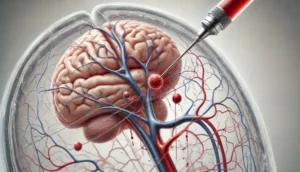
 WhatsApp