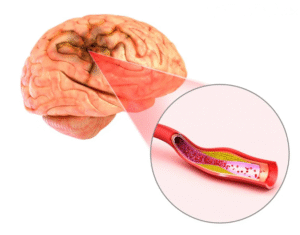
A brain aneurysm is a bulge or ballooning in a blood vessel in the brain. This bulge occurs when the vessel’s wall weakens, causing it to expand. If the aneurysm ruptures, it can lead to serious health complications, including a stroke. Today, Brain Aneurysm Treatment in Delhi is highly advanced, with access to modern neuroimaging, minimally invasive endovascular procedures, and specialised neurosurgical care to ensure safer, more effective outcomes.
Understanding the symptoms and causes of brain aneurysms is essential for effective management and treatment.
Your health matters to us. Share your concerns through the form below, and our team will reach out promptly to guide you with personalised support and genuine compassion.
cognition_2
Specialised Expertise
person_heart
Personalised Care
support_agent
24-Hour Assistance
Several factors contribute to the formation of a brain aneurysm. These include:
- High Blood Pressure: Persistent high blood pressure can put extra strain on blood vessel walls, increasing the risk of aneurysm formation.
- Genetic Factors: Some people may inherit conditions that predispose them to aneurysms, such as certain genetic disorders.
- Trauma: Head injuries from accidents or falls can weaken blood vessels, potentially leading to aneurysm development.
- Infections: Certain infections can affect the blood vessels in the brain, contributing to aneurysm formation.
- Other Medical Conditions: Conditions like connective tissue disorders or certain congenital conditions can increase the risk of developing a brain aneurysm.
By addressing these risk factors, individuals can help reduce their chances of developing an aneurysm.
The symptoms of a brain aneurysm can vary, depending on whether it has ruptured or not. In many cases, an aneurysm may not cause any noticeable symptoms until it ruptures. Symptoms can include:
- Severe Headache: Often described as the worst headache of one’s life, it may come on suddenly and intensely.
- Vision Problems: If the aneurysm presses on surrounding structures, changes in vision, such as blurred or double vision, may occur.
- Pain Above or Around the Eye: Discomfort or pain around the eye may be a sign of an aneurysm.
- Nausea and Vomiting: These symptoms often accompany a severe headache or may occur on their own.
- Seizures: A brain aneurysm may cause seizures if it disrupts brain activity.
- Neurological Deficits: If the aneurysm affects brain function, weakness or numbness on one side of the body, difficulty speaking, or confusion may be present.
Recognizing the brain aneurysm symptoms is crucial for timely intervention. If you experience these symptoms, it is essential to seek medical attention immediately for proper evaluation and treatment.
Diagnosing a brain aneurysm typically involves several steps:
- Medical History and Physical Examination: A thorough medical history and physical exam help identify risk factors and symptoms associated with aneurysms
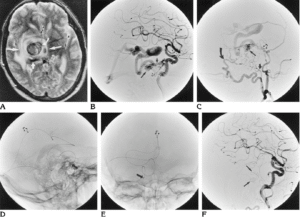
- Imaging Tests: Imaging tests such as CT scans or MRIs visualize the brain and detect the presence of an aneurysm. A CT or MR angiogram may be specifically used to get a detailed view of blood vessels.
- Lumbar Puncture: If a rupture is suspected, a lumbar puncture (spinal tap) may be performed to check for blood in the cerebrospinal fluid.
Early detection through these diagnostic methods is critical for effective treatment and management of a brain aneurysm.
Treatment for a brain aneurysm depends on various factors, including the aneurysm’s size, location, and whether it has ruptured. Treatment options include:
- Monitoring: Small, unruptured aneurysms may be monitored regularly with imaging to track any changes in size or symptoms.
- Medication: Medications may be prescribed to control high blood pressure and reduce the risk of rupture.
- Surgical Intervention: Surgery may be necessary for larger or symptomatic aneurysms. Options include:
- Clipping: A small clip is placed at the base of the aneurysm to prevent blood flow into it.
- Coiling: A catheter is inserted into the blood vessel, and coils are placed inside the aneurysm to promote clotting and prevent bleeding.
- Endovascular Treatment: This minimally invasive procedure involves threading a catheter through blood vessels to the aneurysm and placing devices to block the aneurysm from blood flow.
Choosing the appropriate treatment depends on individual circumstances and is best determined by a healthcare professional.
The cost of brain aneurysm surgery in Delhi depends on the type of procedure and the hospital.
- Endovascular coiling / clipping: ₹3,50,000 – ₹6,00,000 ($4,200 – $7,200)
- Flow diversion stent treatment: ₹7,00,000 – ₹12,00,000 ($8,500 – $14,500)
Delhi offers affordable brain aneurysm surgery compared to Western countries while ensuring international standards of care.
Factors Affecting Brain Aneurysm Surgery Cost
- Type of procedure – clipping, coiling, or stent placement.
- Stage and severity – ruptured aneurysms may need urgent and intensive care.
- Surgeon’s expertise – highly experienced neurosurgeons may charge higher fees.
- Hospital facilities – JCI/NABH-accredited hospitals have advanced ICUs and neuro labs.
- Additional tests – including angiography, MRI, CT scans, and post-surgery monitoring, add to the costs.
- Hospital Stay: 5–10 days, depending on procedure and complexity.
- Initial Recovery:
- Coiling: 1–2 weeks
- Clipping: 4–6 weeks
- Stent: 3–4 weeks
- Full Recovery: 2–3 months, including follow-ups and rehabilitation.
- Lifestyle advice: Control blood pressure, quit smoking, eat a balanced diet, and schedule regular check-ups.
With timely brain aneurysm treatment in Delhi, survival rates exceed 85–90%, and most patients return to independent, normal lives within months.
- Recognised as one of the best Brain Aneurysm Surgeons in Delhi
- 20+ years of experience in complex neurosurgeries
- Expertise in minimally invasive and advanced endovascular techniques
- High success rate with improved quality of life for patients
- Patient-centric, compassionate approach
- Access to world-class neuro facilities in Delhi


 WhatsApp